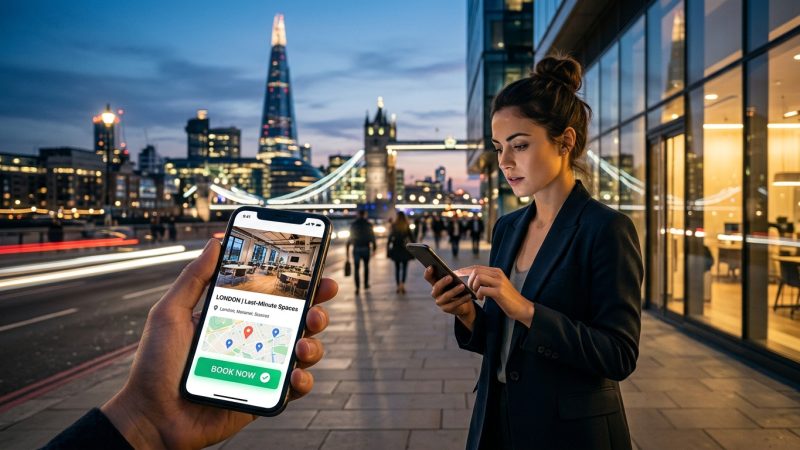
15 Coworking Spaces That Double as Premium Event Venues
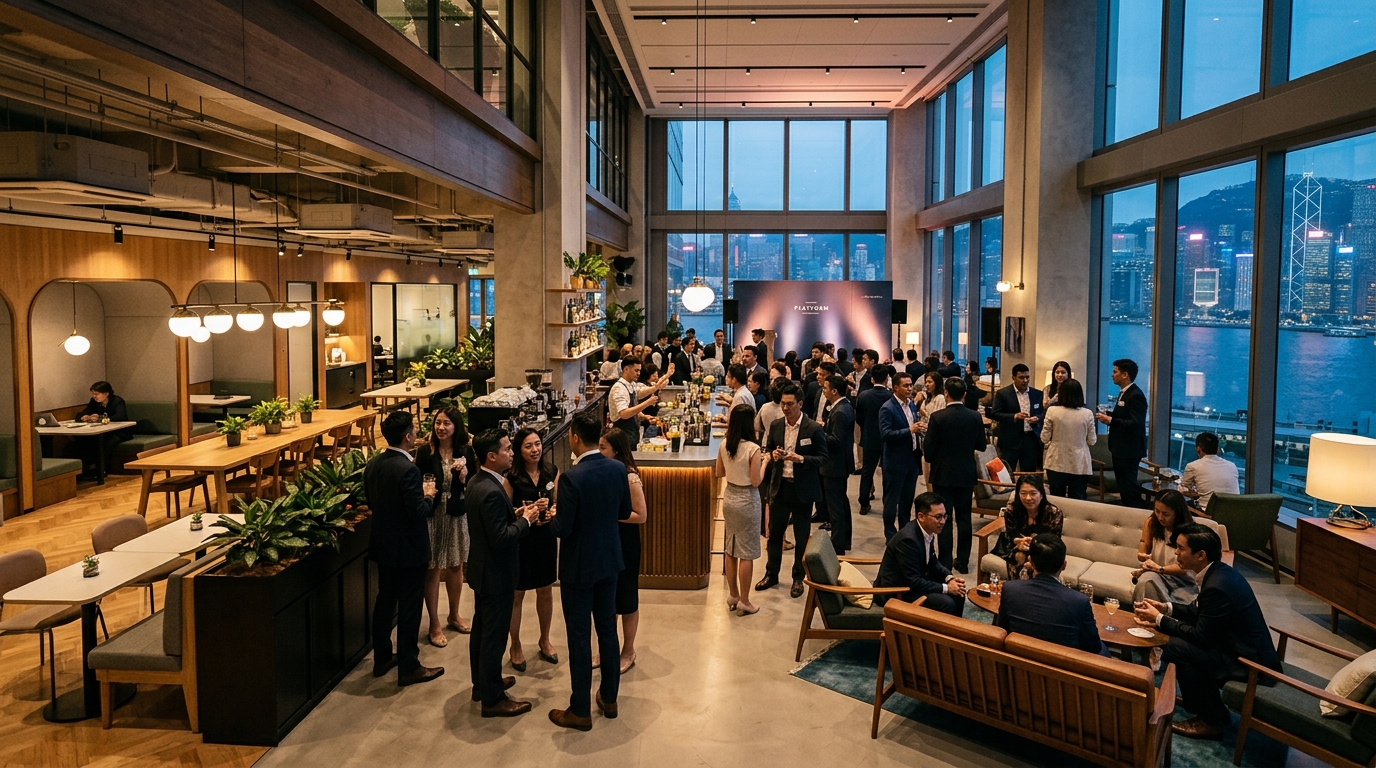
Finding a venue that understands modern work culture while offering professional event infrastructure can feel like searching for a unicorn. Traditional conference hotels lock you into rigid packages. Bare event halls lack the tech setup your team expects. Coworking spaces that double as event venues solve both problems, delivering workspace amenities with the flexibility to host everything from board meetings to product launches.
Coworking spaces for events combine workspace infrastructure with event hosting capabilities, offering flexible booking terms, built-in technology, and professional environments. They work best for corporate meetings, workshops, networking events, and gatherings between 10 and 200 people. Success depends on matching venue amenities to your event format, understanding pricing structures, and booking during off-peak hours for better rates.
Why coworking venues beat traditional event spaces
Traditional event venues operate on old assumptions. They expect you to book months ahead, sign contracts with minimum guarantees, and pay separately for basics like WiFi and projectors.
Coworking event spaces flip that model.
You get workspace infrastructure already in place. High-speed internet that actually works. Video conferencing equipment tested daily by remote teams. Breakout areas designed for collaboration, not afterthoughts squeezed into hallways.
The pricing makes sense too. Most coworking spaces charge by the hour or half-day, not arbitrary packages that bundle services you don’t need. You pay for the room and the time, period.
Location matters more than ever. Coworking hubs sit in business districts with real transit access. Your attendees can subway, bus, or walk there. No one needs to expense a rideshare to some suburban conference center.
The vibe helps too. Walking into a coworking space feels different than entering a hotel ballroom. The environment signals innovation and flexibility, not corporate rigidity. That matters when you’re hosting creative workshops or trying to recruit talent.
What makes a coworking space event-ready

Not every coworking space handles events well. The best ones build event capabilities into their design from day one.
Space flexibility
Look for venues with movable furniture and modular layouts. Fixed conference tables limit your options. Spaces that can shift from theater seating to roundtables to standing reception in 30 minutes give you real flexibility.
Room capacity should match your actual needs, not aspirations. A 50-person room works better for 40 people than cramming them into a 30-person space or rattling around in a 100-person hall.
Technology infrastructure
Professional events need professional tech. Check for:
- Presentation displays larger than 65 inches
- HDMI and wireless casting options
- Microphone systems for rooms over 30 people
- Reliable video conferencing for hybrid events
- Backup internet connections
Test the WiFi before you book. Ask how many devices it handles simultaneously. A network that supports 20 desk workers might collapse under 80 event attendees all streaming video.
Amenities that matter
The small details separate good venues from great ones:
- Kitchen access for catering setup
- Refrigeration for food storage
- Coffee and beverage stations
- Coat storage during winter months
- Accessible restrooms near event spaces
- Dedicated entry for after-hours events
Climate control deserves special attention. Rooms packed with people heat up fast. Make sure the venue can adjust temperature independently for event spaces.
Matching venue types to event formats
Different events need different environments. The right match makes everything easier.
| Event Type | Ideal Venue Features | Capacity Sweet Spot | Typical Duration |
|---|---|---|---|
| Board meetings | Private rooms, video conferencing, whiteboards | 8-15 people | 2-4 hours |
| Training workshops | Breakout areas, presentation tech, flexible seating | 20-40 people | Half or full day |
| Networking events | Open floor plans, standing room, bar access | 50-150 people | 2-3 hours |
| Product launches | Staging area, AV equipment, reception space | 75-200 people | 3-4 hours |
| Team offsites | Multiple rooms, outdoor space, kitchen access | 15-50 people | Full day |
Corporate meetings work best in enclosed conference rooms with serious soundproofing. You need privacy for sensitive discussions and technology that doesn’t fail during investor calls.
Workshops demand flexibility. Participants need to move between individual work, small group discussions, and full-group presentations. Look for spaces with breakout rooms adjacent to the main area.
Networking events live or die on flow. Open floor plans with multiple conversation zones work better than single large rooms. Bar access or beverage stations create natural gathering points.
How to evaluate pricing and booking terms
Coworking event pricing varies wildly. Understanding the models helps you negotiate better deals.
Hourly versus daily rates
Most spaces offer both options. Hourly rates typically range from $75 to $300 depending on room size and location. Full-day bookings often include a discount, dropping the effective hourly rate by 20 to 30 percent.
Calculate your actual needs carefully. A four-hour meeting might cost less as a half-day booking than paying four separate hourly rates.
Membership discounts
Many coworking spaces offer significant event discounts to members. If you host events monthly, a basic membership might pay for itself through reduced venue costs alone.
Some spaces structure this as tiered pricing. Non-members pay full rate, basic members get 15 percent off, premium members get 30 percent off plus priority booking.
What’s included versus add-ons
Always clarify the base package. Typical inclusions:
- Room rental for specified hours
- Standard furniture setup
- Basic presentation equipment
- WiFi access
- Climate control
Common add-ons that cost extra:
- Catering or outside food fees
- Extended setup or breakdown time
- Additional AV equipment
- After-hours access
- Dedicated event staff
Food policies matter enormously. Some spaces require you to use their catering partners. Others allow outside food for a small fee. A few ban outside catering entirely, which can double your food costs.
Booking strategy that saves money and headaches
Smart booking starts weeks before your event, not days.
1. Scout in person during similar events
Visit potential venues when they’re hosting events similar to yours. You’ll see how staff handle setup, whether the space actually holds the claimed capacity comfortably, and how noise carries between rooms.
Pay attention to the small stuff. Are restrooms clean? Does coffee service run smoothly? Can you hear conversations from adjacent spaces?
2. Book off-peak for better rates
Coworking event spaces see highest demand Tuesday through Thursday, 9am to 5pm. Booking Monday mornings, Friday afternoons, or evening slots often unlocks 20 to 40 percent discounts.
Weekend rates can be even better if the space offers them. Many coworking venues sit empty Saturday and Sunday, making them willing to negotiate.
3. Build a relationship with the community manager
Community managers control booking calendars and have discretion on pricing. They can offer discounts, throw in free add-ons, or give you first access to premium spaces.
Host one successful event and they’ll remember you. Repeat clients get preferential treatment because venues know you’ll respect the space and treat their staff well.
Common mistakes that derail coworking events
Even experienced planners stumble when moving from traditional venues to coworking spaces.
Underestimating setup time
Coworking spaces rarely offer dedicated event staff to arrange furniture. You or your team handle setup. Budget 45 to 60 minutes for room arrangement, tech testing, and signage placement.
Many spaces charge for setup time beyond 15 minutes before your booking. Confirm the policy before arrival.
Ignoring noise considerations
Open-plan coworking areas mean your event might share space with regular desk workers. Loud networking events or training sessions with group activities can create friction.
Book fully enclosed rooms for anything involving raised voices, music, or large groups. Save open areas for intimate gatherings under 20 people.
Forgetting about parking and access
Urban coworking spaces often have limited or no parking. That’s fine for local attendees using transit but problematic for speakers hauling equipment or guests driving from suburbs.
Research nearby parking options and include that information in event communications. Better yet, choose venues near transit hubs and encourage sustainable transportation.
“The biggest mistake I see is planners treating coworking venues like hotels. You can’t just show up expecting someone else to handle everything. These spaces work best when you embrace their DIY spirit while leveraging their infrastructure.” — Sarah Chen, corporate event coordinator with 12 years of experience
Red flags that signal a bad venue match
Some coworking spaces market themselves as event-ready when they’re really not.
Watch for these warning signs during your site visit:
- Furniture that can’t be moved or rearranged
- Presentation screens smaller than 55 inches for rooms over 20 people
- No dedicated event entrance, forcing guests through active workspace
- Climate controls that adjust the entire floor, not individual rooms
- Booking calendar showing back-to-back events with no buffer time
- Staff who can’t answer basic questions about capacity or equipment
Ask about their largest successful event. If they hesitate or mention something tiny, they lack real event experience.
Check online reviews specifically mentioning events. Coworking reviews often focus on desk memberships. You need feedback from event hosts.
Making hybrid events work in coworking venues
Remote participants expect the same quality as in-person attendees. Coworking spaces can deliver that, but you need the right setup.
Camera positioning matters enormously
Built-in conference room cameras typically sit at the front of the room, showing only speakers. For true hybrid engagement, you need cameras that capture the full room so remote attendees see everyone.
Bring a separate wide-angle webcam or ask if the venue offers upgraded video equipment. Position it to show both the presenter and audience reactions.
Audio makes or breaks hybrid events
Computer microphones can’t handle room audio for groups larger than six people. You need proper conference microphones that pick up voices from across the room.
Test audio before your event starts. Have someone join remotely and walk around the room speaking at normal volume. Identify dead zones where the microphone doesn’t pick up clearly.
Bandwidth requirements multiply
Streaming video to 20 remote participants while 30 people in the room use WiFi for notes and social media requires serious bandwidth. Ask about dedicated event networks separate from regular member WiFi.
Have a backup plan. Know how to switch to audio-only if video stutters. Prepare slides that work without live presentation if connectivity fails completely.
Insurance and liability you can’t ignore
Traditional venues carry insurance that covers events. Coworking spaces might not, or their coverage might exclude certain activities.
Certificate of insurance requirements
Many coworking spaces require event hosts to carry their own liability insurance. This protects them if a guest gets injured during your event.
One-day event insurance costs $150 to $300 and covers most standard gatherings. You can purchase it online within hours of your event.
Damage deposits and policies
Expect to pay a refundable damage deposit, typically $250 to $500. You get this back if you leave the space as you found it.
Document the room condition when you arrive. Take photos of any existing damage so you’re not blamed for pre-existing issues.
Alcohol policies
Serving alcohol at events triggers additional requirements. Some coworking spaces ban alcohol entirely. Others allow it with proper licensing and insurance.
If you plan to serve drinks, discuss this during booking, not the day before your event. Venues need time to verify your insurance covers alcohol service.
The future of flexible event spaces
The line between workspace and event venue continues blurring. Coworking operators see events as a revenue stream that utilizes space during off-hours. Event planners value the flexibility and modern amenities these venues offer.
Expect more coworking spaces to build event capabilities into their designs. Purpose-built event rooms with professional AV, movable walls for capacity flexibility, and dedicated event entrances will become standard.
Technology integration will deepen. Seamless hybrid capabilities, automated room controls, and integrated event management software will separate premium venues from basic options.
Pricing models will evolve too. Subscription-based event packages, where companies pay monthly for a certain number of event hours, already exist in some markets. This model will spread as organizations host more frequent smaller gatherings instead of occasional large conferences.
Finding your perfect venue match
Start your search by listing your non-negotiables. Capacity, location, and budget form your foundation. Technology requirements and amenities come next.
Visit three to five spaces in person. Photos lie. Room dimensions on paper don’t convey how a space actually feels with people in it.
Book a small test event before committing to something large. A 20-person lunch meeting lets you evaluate the venue with minimal risk. You’ll learn how staff operate, whether technology works reliably, and if the space matches your needs.
Build relationships with two or three venues that work well for you. Having options gives you negotiating power and backup plans when your first choice is booked.
The right coworking event space makes your job easier, impresses attendees, and costs less than traditional venues. You just need to know what to look for and how to ask the right questions.