The Hidden Costs of Working From Home Nobody Talks About

Working from home sounds like a dream until you check your utility bills, realize your back hurts constantly, and notice your grocery budget has doubled. The promise of saving money by skipping the commute and office wardrobe often masks a different reality: remote work comes with its own set of expenses that creep up slowly and hit hard.
Remote work introduces unexpected expenses across utilities, equipment, food, healthcare, and career development. While you save on commuting and professional attire, most home workers spend an extra $300 to $600 monthly on increased bills, ergonomic furniture, internet upgrades, and isolation-related costs. Understanding these hidden expenses helps you budget accurately and decide whether remote work truly saves you money.
Your utility bills tell the real story
That first winter working from home hits different. You’re running the heat all day instead of just mornings and evenings. Your electricity meter spins faster because your computer, monitors, lights, and coffee maker run for eight hours straight.
Most remote workers see their utility costs jump 20 to 30 percent. That translates to an extra $50 to $150 per month depending on where you live and the season. Air conditioning in summer months can push that number even higher.
Your internet bill probably went up too. That basic plan you used for Netflix and casual browsing can’t handle video calls, file uploads, and cloud software running simultaneously. Upgrading to a faster, more reliable connection adds another $30 to $80 monthly.
Water usage increases when you’re home all day. More bathroom trips, lunch dishes, extra laundry because you’re not saving outfits for the office. These small increases compound.
The furniture trap nobody sees coming
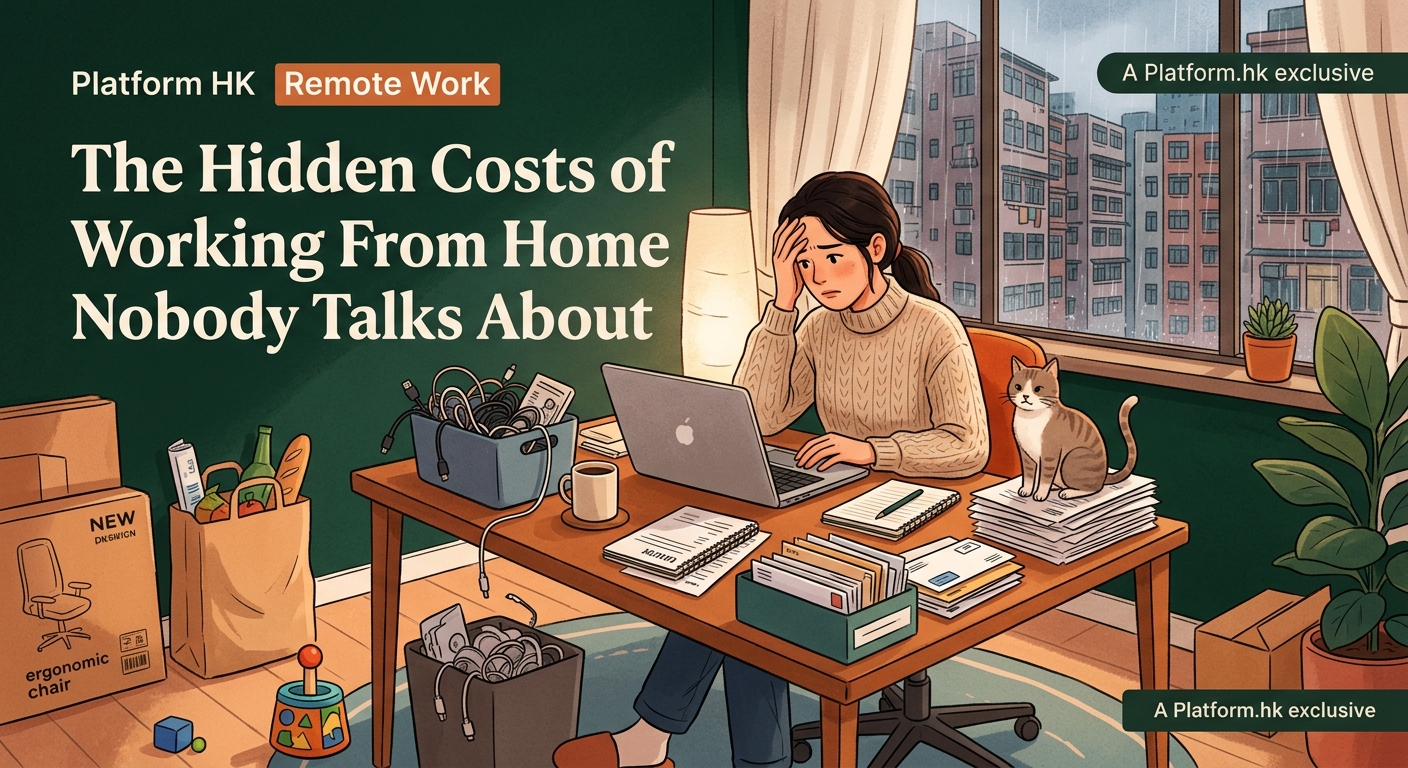
You started working from your couch or kitchen table. That lasted about three weeks before your neck started screaming. Now you need a proper desk, an ergonomic chair, and maybe a monitor stand.
A decent office chair costs $300 to $800. A proper desk runs $200 to $600. Add a monitor, keyboard, mouse, and cable management, and you’re looking at another $200 to $500. That’s $700 to $1,900 before you even think about lighting, storage, or soundproofing.
Many employers offer a home office stipend, but it rarely covers the full cost. You end up supplementing with your own money, spreading purchases across months to soften the blow. The expense still exists.
Your body pays when you skimp on ergonomics. Poor posture leads to physical therapy, chiropractor visits, or medical bills that dwarf the cost of proper furniture. Prevention costs less than treatment, but most people learn this lesson the expensive way.
Food becomes your biggest budget leak
Office snacks and subsidized cafeterias disappear when you work from home. Your kitchen becomes both convenient and dangerous. Every meal, every snack, every coffee comes from your grocery budget or delivery apps.
The average remote worker spends $250 to $400 more per month on food compared to office workers. Breaking down why reveals the pattern:
- Constant access to your kitchen means more snacking throughout the day
- Lunch used to be a packed sandwich; now it’s cooking a full meal or ordering delivery
- Coffee runs to break up the day add $5 to $8 per trip
- You’re feeding yourself for breakfast, lunch, snacks, and sometimes dinner without leaving home
- Delivery fees and tips on food orders stack up faster than you track
Meal planning helps, but it requires discipline most people don’t maintain consistently. The path of least resistance costs money.
Your wardrobe savings vanish into other expenses
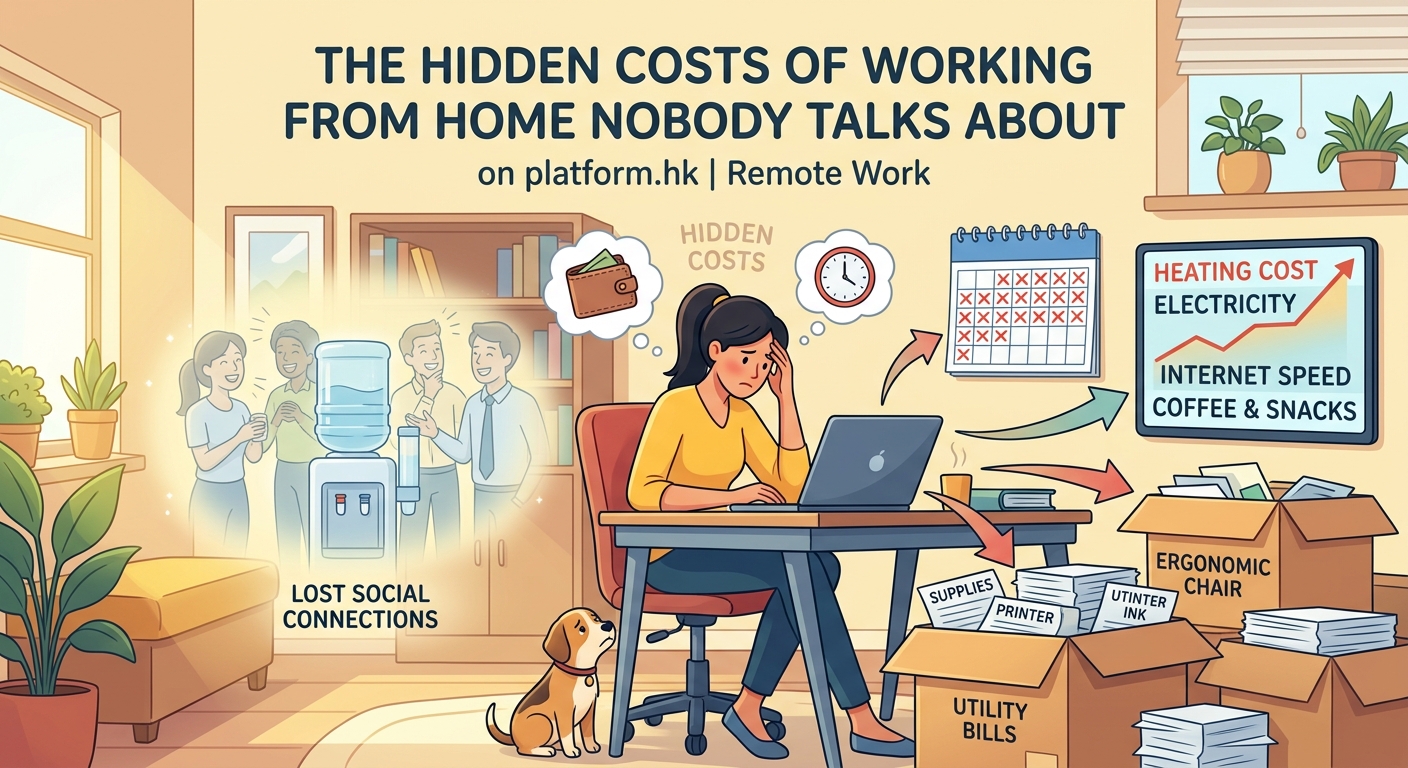
You definitely spend less on professional clothes. No more dry cleaning bills, dress shoes, or business casual outfits. That saves $100 to $300 monthly for many workers.
But that money doesn’t stay in your account. It shifts to other categories. You buy more casual clothes because you’re wearing them every day. Loungewear wears out faster than office clothes because you live in it.
Your home becomes your workspace, so you invest in making it comfortable and presentable for video calls. That means home decor, better lighting, artwork for your background, and organizational systems. These purchases feel different from work clothes, but they serve the same function.
The savings exist, but they’re smaller than most people calculate once you account for where that money actually goes.
Healthcare costs shift in unexpected ways
Mental health takes a hit for many remote workers. Isolation, lack of social interaction, and blurred boundaries between work and personal life create stress that manifests in different ways.
Therapy costs $100 to $200 per session without insurance. Many remote workers start seeing therapists to cope with loneliness or burnout. Even with insurance, copays add up.
Physical health suffers too. Less incidental movement throughout the day means more sedentary hours. Gym memberships or fitness equipment become necessary to replace the walking you used to do around an office building.
Eye strain from screen time leads to more frequent optometrist visits and potentially new glasses or blue light filters. These aren’t major expenses individually, but they compound.
Career development becomes your responsibility
Office workers get casual mentorship through hallway conversations and impromptu meetings. Remote workers have to actively seek out networking opportunities, which often cost money.
Professional development expenses shift entirely to you:
- Conference attendance requires travel, accommodation, and registration fees
- Online courses and certifications cost $50 to $500 each
- Professional organization memberships run $100 to $300 annually
- Coworking day passes for networking events cost $20 to $50 per visit
Your employer might reimburse some of these costs, but many companies have reduced professional development budgets for remote teams. You’re left choosing between investing in your career growth or keeping that money for other expenses.
The opportunity cost matters too. Office workers build relationships and visibility naturally. Remote workers have to work harder to stay visible to leadership, which impacts promotion opportunities and salary growth over time.
The productivity tax you can’t see
Distractions at home cost you time, and time costs money. Family members interrupting, household chores calling your name, or the TV tempting you during lunch breaks all chip away at productivity.
Most remote workers take longer to complete the same tasks they finished faster in an office environment. That extra time means working later, feeling more stressed, or producing lower quality work that requires revisions.
Some people solve this by renting coworking space, which costs $100 to $500 monthly. Others cope by working longer hours, which has its own cost in terms of burnout and work-life balance.
The productivity loss is hard to quantify, but it shows up in missed deadlines, reduced output, or the mental exhaustion of constantly fighting distractions.
Breaking down the real monthly costs
Here’s what the hidden expenses actually look like when you add them up:
| Expense Category | Monthly Cost Range | Annual Impact |
|---|---|---|
| Increased utilities | $50 – $150 | $600 – $1,800 |
| Internet upgrade | $30 – $80 | $360 – $960 |
| Food and coffee | $250 – $400 | $3,000 – $4,800 |
| Furniture and equipment (amortized) | $60 – $160 | $720 – $1,920 |
| Healthcare and wellness | $50 – $200 | $600 – $2,400 |
| Career development | $40 – $100 | $480 – $1,200 |
| Miscellaneous home office | $20 – $50 | $240 – $600 |
| Total | $500 – $1,140 | $6,000 – $13,680 |
These numbers don’t include the less tangible costs like reduced promotion opportunities, social isolation, or the mental health impact of working where you live.
The social cost nobody budgets for
Humans need social interaction. Office environments provide that automatically through team lunches, water cooler conversations, and after-work happy hours.
Remote workers have to actively create social opportunities, which costs money:
- Coffee meetings with former colleagues
- Coworking space memberships for human contact
- Paid networking events
- Social clubs or activities to replace work friendships
The alternative is isolation, which carries its own cost in terms of mental health and career opportunities. Either way, you’re paying.
“The biggest hidden cost of remote work isn’t financial. It’s the slow erosion of professional relationships that naturally form in shared spaces. You don’t realize how valuable those casual interactions are until they’re gone, and rebuilding that network intentionally takes significant time and money.” – Career coach perspective
Tax implications most people miss
Home office deductions exist, but they’re complicated. The IRS has strict requirements about dedicated workspace and regular use. Most remote workers don’t qualify for significant deductions.
If you’re an employee, you can’t deduct home office expenses at all under current tax law. Only self-employed individuals and independent contractors can claim these deductions.
Even when you qualify, the deduction rarely covers your actual expenses. You might deduct $500 to $1,500 annually, which saves you $100 to $400 in taxes. That’s helpful but doesn’t offset the $6,000 to $13,000 in annual hidden costs.
Property tax and homeowner’s insurance might increase if you’re running a business from home. Check your policy and local regulations to avoid surprises.
Equipment maintenance and replacement
Technology breaks down. Your laptop won’t last forever. Neither will your monitor, keyboard, mouse, or headphones.
Office workers get equipment replaced by IT departments. Remote workers often supplement or replace their own gear between company refresh cycles. That costs $200 to $800 every few years depending on what fails.
Software subscriptions add up too. You might need:
- Project management tools your company doesn’t provide
- Better video conferencing software
- Cloud storage beyond free tiers
- Productivity apps and browser extensions
- VPN services for security
These typically run $10 to $50 monthly, or $120 to $600 annually.
The commute savings reality check
The biggest argument for remote work is eliminating commute costs. Let’s see if that math actually works out.
Average commute costs include:
- Gas or public transportation: $150 to $300 monthly
- Vehicle maintenance and depreciation: $100 to $200 monthly
- Parking fees: $50 to $200 monthly
- Commute time value: varies by person
That’s $300 to $700 in direct monthly savings. But remember, your hidden costs run $500 to $1,140 monthly. The financial benefit shrinks significantly or disappears entirely depending on your situation.
Time savings remain valuable. Getting back 5 to 10 hours per week matters for quality of life. But the financial case for remote work is weaker than most people realize.
Making remote work actually save you money
You can reduce these hidden costs with intentional choices:
- Set strict boundaries around food spending and meal prep consistently
- Buy quality furniture once instead of cheap replacements multiple times
- Negotiate employer reimbursement for internet, equipment, and professional development
- Track your actual expenses for three months to see where money goes
- Create a dedicated workspace to maximize focus and minimize wasted time
- Schedule free social activities and networking opportunities when possible
The key is awareness. Most remote workers hemorrhage money because they don’t realize where it’s going. Tracking expenses reveals patterns you can address.
When remote work costs more than office work
For some people, working from home genuinely costs more than commuting to an office. This happens when:
- You live in a small space where a dedicated office is impossible
- Your home environment has constant distractions that kill productivity
- You need social interaction for mental health and have to pay for it elsewhere
- Your commute was short and inexpensive
- Your employer provided excellent office perks like free food and gym access
There’s no shame in preferring office work. The cultural narrative pushes remote work as universally better, but individual circumstances vary wildly.
What employers should cover but often don’t
Progressive companies reimburse remote workers for legitimate business expenses. Most don’t. Here’s what you should ask for:
- Monthly internet stipend of $50 to $100
- One-time home office setup budget of $1,000 to $2,000
- Annual equipment refresh or replacement policy
- Professional development budget maintained at pre-remote levels
- Mental health resources and wellness programs
- Coworking space allowance for occasional use
Some employers offer these benefits. Many don’t. Knowing what to negotiate helps you avoid absorbing costs that should be business expenses.
Your home becomes your office and that’s complicated
Working where you live creates psychological costs that eventually manifest financially. You can’t escape work because it’s always there. Your home stops feeling like a sanctuary and starts feeling like an obligation.
Some people solve this by moving to larger homes with dedicated office space. That’s a massive cost increase. Others maintain separate coworking memberships or rent small offices. Also expensive.
The alternative is accepting that your home serves dual purposes and managing the mental burden that creates. That’s free but exhausting.
Planning for the costs you can’t avoid
Some hidden costs are inevitable. You can minimize them but not eliminate them. Smart budgeting means accounting for:
- 20 to 30 percent higher utility bills year-round
- $1,000 to $2,000 annually for equipment and furniture
- $200 to $400 monthly for increased food costs
- $500 to $1,000 annually for career development
- Irregular expenses for healthcare, repairs, and upgrades
Build these into your budget from day one. Treat them as fixed costs of remote work, not surprises that derail your finances.
The real math on working from home
Remote work can save you money, but not as much as you think. For most people, the financial benefit is $100 to $300 monthly after accounting for all hidden costs. That’s meaningful but not life-changing.
The real value of remote work is time and flexibility, not money. If you’re choosing remote work primarily for financial reasons, run the actual numbers for your situation. You might be surprised by how thin the margins are.
Making informed decisions about where you work
Understanding the true cost of working from home lets you make better decisions. Maybe remote work still makes sense for your lifestyle despite the expenses. Maybe a hybrid schedule gives you the best of both worlds. Maybe you prefer the office and that’s perfectly valid.
The point isn’t to discourage remote work. It’s to help you see the complete picture so you can plan accordingly. Track your expenses for a few months, compare them to your previous office costs, and adjust your budget and expectations based on reality instead of assumptions. Your wallet and your stress levels will thank you.