The Complete Guide to Hosting Productive Workshops in Flexible Workspaces

Workshops can transform a coworking space from a collection of desks into a thriving community hub. But throwing together a random event and hoping people show up rarely works. The best workshop hosts know that success comes from careful planning, smart logistics, and genuine attention to what participants actually need.
Hosting workshops in coworking spaces requires balancing logistics with engagement. Choose topics your community cares about, set up the room for interaction, promote early and often, and follow up afterward. The right preparation turns a simple event into a memorable experience that brings members together and showcases your space’s value beyond just desks and wifi.
Understanding What Makes Coworking Workshops Different
Coworking spaces aren’t conference centers. They’re living, breathing communities where people work every day. Your workshop attendees might include current members, potential members, and outside guests all in the same room.
This mix creates unique opportunities. Members already trust your space. They know where the bathrooms are. They’ve had coffee in your kitchen. This familiarity lowers barriers to participation.
But it also means you can’t phone it in. These people see your space regularly. A poorly run workshop reflects badly on your entire operation.
The physical setup matters too. Most coworking spaces have flexible furniture, decent AV equipment, and strong wifi. You’re not starting from zero. But you also can’t always control noise from the main workspace or guarantee perfect acoustics.
Choosing Workshop Topics That Actually Fill Seats
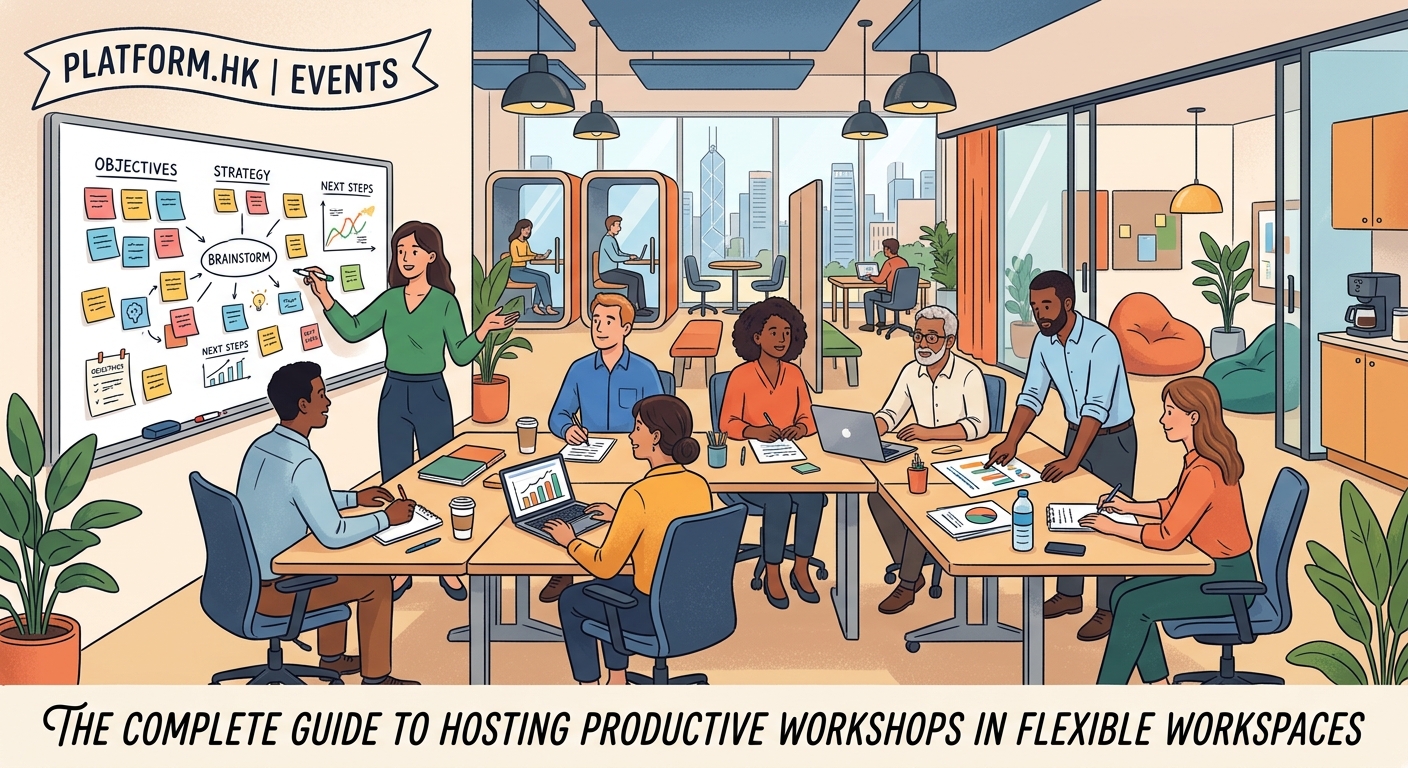
The worst mistake is picking topics you think sound impressive rather than topics your community needs. Skip the buzzword bingo. Focus on practical skills and real problems.
Talk to your members first. What are they struggling with? What skills do they wish they had? What keeps them up at night?
Here are topic categories that consistently work well:
- Business fundamentals like pricing strategies or contract negotiation
- Technical skills that don’t require expensive equipment
- Wellness and productivity methods people can use immediately
- Networking formats that feel natural rather than forced
- Industry-specific deep dives for niche communities
The best workshops solve a specific problem for a specific group. “Social media marketing” is too broad. “Instagram content planning for service-based solopreneurs” gives people a clear reason to attend.
Test interest before committing. Send a survey. Post in your member Slack. Gauge reactions. If people respond with enthusiasm rather than polite silence, you’re onto something.
Planning Timeline and Logistics
Start planning at least six weeks before your target date. This gives you time to secure instructors, promote properly, and handle the inevitable surprises.
Here’s a realistic timeline:
- Six weeks out: Confirm topic, instructor, and date. Block the space in your booking system.
- Five weeks out: Create registration page. Draft promotional copy. Set pricing if applicable.
- Four weeks out: Launch promotion across all channels. Start spreading the word.
- Three weeks out: Send first reminder to registrants. Continue promotion to fill remaining seats.
- Two weeks out: Finalize room setup plan. Order any supplies. Confirm AV needs with instructor.
- One week out: Send detailed logistics email to all registrants. Include parking info, what to bring, and start time.
- Day before: Set up room if possible. Do final headcount. Prepare name tags or sign-in sheet.
- Day of: Arrive early. Test all equipment. Greet instructor and get them settled.
This timeline assumes a standard workshop. Larger events or those requiring special equipment need more lead time.
Setting Up the Physical Space
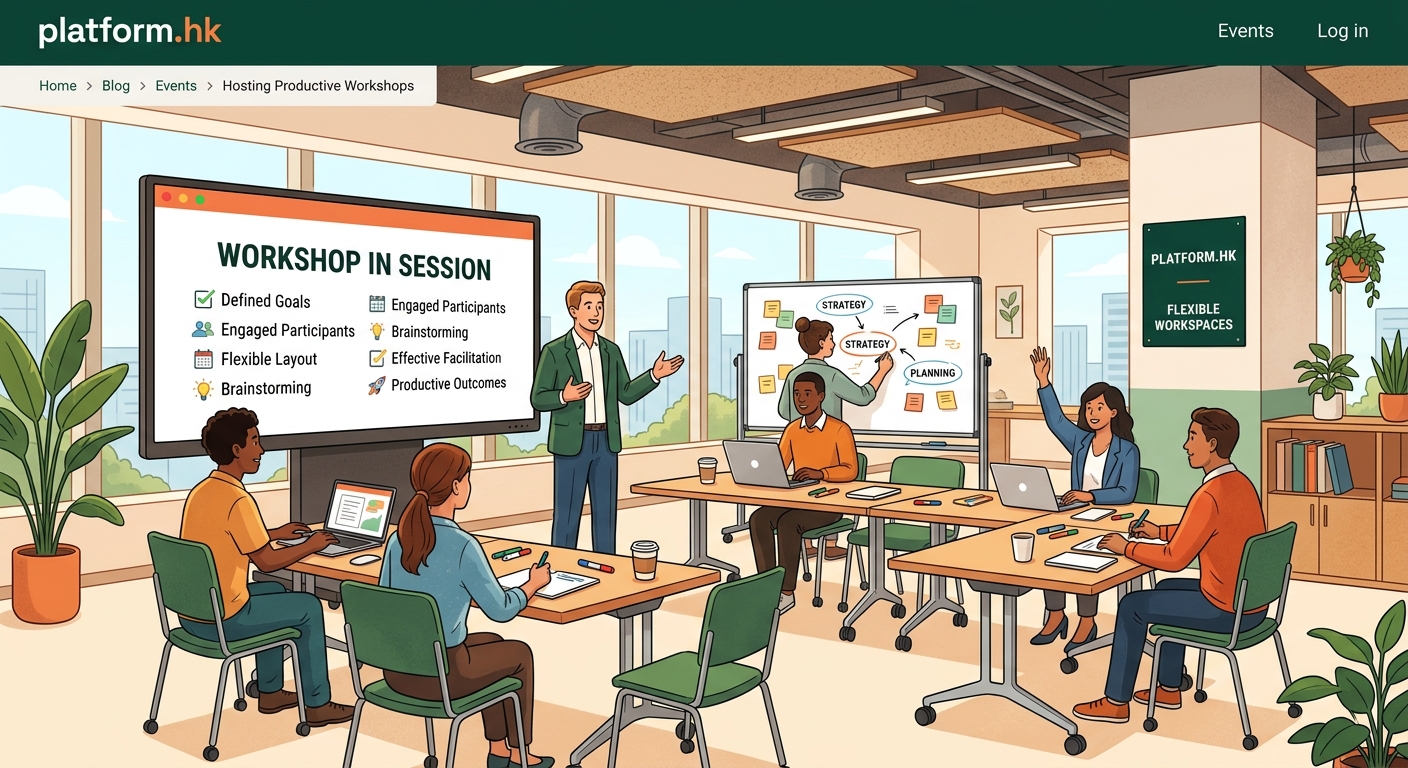
Room setup can make or break participant engagement. The wrong layout kills interaction before anyone says a word.
For most workshops, avoid theater-style seating. Rows of chairs facing forward work for lectures, not interactive sessions. Instead, try these layouts:
U-shape or hollow square: Everyone can see each other. Great for discussions and groups under 25 people.
Small tables of four to six: Encourages small group work. Lets people take notes comfortably.
Circle of chairs: Works for discussion-heavy workshops with no presentation materials.
Whatever layout you choose, test the sightlines. Can everyone see the screen? Can the instructor make eye contact with the whole room? Walk around and check.
Temperature matters more than people think. A room that feels comfortable when empty gets warm fast once 20 bodies fill it. Set the thermostat a few degrees cooler than normal.
“The biggest mistake I see is cramming too many people into a space. Give participants room to breathe. Overcrowding creates physical discomfort that translates into mental disengagement.” — Community manager with five years of workshop experience
Technical Setup That Actually Works
Nothing derails a workshop faster than technical problems. Spend time on this.
Test your AV setup the day before. Don’t wait until 10 minutes before start time. Connect the instructor’s laptop to your display. Play a video with sound. Make sure the microphone works if you’re using one.
Have backup plans:
- Extra adapters for different laptop ports
- Backup presentation file on a USB drive
- Paper copies of key materials if the projector fails
- Hotspot access if wifi goes down
For virtual or hybrid workshops, run a full tech rehearsal. Test screen sharing, breakout rooms, and audio quality. Have someone join from outside your network to catch issues you might miss.
Create a simple one-page tech guide for instructors. Include wifi password, how to connect to the display, where to find extra cables, and who to call if something breaks.
Pricing Strategy and Registration Management
Free workshops get more signups but higher no-show rates. Paid workshops filter for serious participants but require more marketing effort.
Consider these pricing models:
| Model | Best For | Typical No-Show Rate |
|---|---|---|
| Free for members, paid for non-members | Building member value | 20-30% |
| Low fee for everyone ($10-25) | Filtering casual interest | 10-15% |
| Tiered pricing (early bird, regular, late) | Encouraging early commitment | 5-10% |
| Free with required RSVP | Maximum accessibility | 30-40% |
Whatever you charge, communicate value clearly. Don’t just list what the workshop covers. Explain what participants will be able to do afterward.
Cap registration below room capacity. A workshop for 30 people shouldn’t have 30 seats available. Plan for 25. This accounts for no-shows while preventing overcrowding if everyone actually comes.
Send confirmation emails immediately after registration. Include calendar file, location details, and what to bring. This simple step reduces day-of confusion dramatically.
Promotion That Fills Seats Without Being Annoying
Start promoting four weeks out. Earlier than that and people forget. Later and calendars fill up.
Use multiple channels but tailor the message for each:
Email: Send to your member list first. They’re most likely to attend and spread the word. Send a second email to your broader newsletter list a week later.
Social media: Post three to four times over the promotion period. Vary the angle. First post announces the event. Second highlights the instructor. Third shares what participants will learn. Fourth is a last-minute reminder.
In-space signage: Put up posters in high-traffic areas. Bathroom mirrors, coffee station, entrance. Keep the design simple and the call to action clear.
Member Slack or community platform: Post once in a general channel. Don’t spam. Let the conversation develop organically.
The most effective promotion comes from personal invitations. Ask team members to each personally invite three people who would benefit. Direct outreach beats broadcast marketing every time.
Running the Workshop Day
Arrive at least 45 minutes early. This gives you time to set up, fix problems, and greet the instructor calmly.
Welcome participants as they arrive. This seems obvious but gets forgotten in the chaos. A warm greeting sets the tone for the whole event.
Start on time. Waiting for latecomers punishes people who showed up when they were supposed to. You can catch stragglers up during the first break.
Assign someone to handle logistics so the instructor can focus on teaching. This person manages:
- Sign-in and name tags
- Late arrivals
- Technical issues
- Questions about bathrooms or parking
- Photos for social media
Take photos but don’t be obnoxious about it. Grab a few shots during the first 15 minutes, then put the camera away. Constant photography disrupts the experience.
Build in breaks. For workshops over 90 minutes, plan a 10-minute break every hour. People need to check phones, use restrooms, and mentally reset.
Creating Engagement During the Session
The instructor drives most of the engagement, but you can help. Set expectations at the start. Let people know if questions are welcome anytime or saved for specific moments.
Encourage participation early. The longer people sit silently, the harder it becomes to speak up. Simple techniques work:
- Ask for a show of hands on a relevant question
- Have people introduce themselves to the person next to them
- Start with a brief activity rather than a lecture
Watch the room. If energy drops, suggest a stretch break. If people look confused, encourage questions. If someone dominates the conversation, gently redirect.
Provide materials people can take home. Handouts, resource lists, or slide decks give participants something tangible. They also serve as reminders of your space.
Following Up After the Workshop
Your work isn’t done when people leave. Good follow-up turns one-time attendees into community members.
Send a thank-you email within 24 hours. Include:
- Appreciation for attending
- Key resources or materials shared
- Photos from the event
- Information about upcoming workshops
- Invitation to visit the space or join the community
Ask for feedback while the experience is fresh. Keep the survey short. Three to five questions maximum. Focus on what worked and what to improve.
Share highlights on social media. Post photos, key takeaways, and participant testimonials. This promotes future events and shows the value of your community.
Follow up with the instructor too. Thank them. Share any feedback. Discuss potential future collaborations. Good instructors are hard to find. Treat them well.
Common Mistakes and How to Avoid Them
Even experienced hosts make these errors. Learn from them:
Overcomplicating the topic: Trying to cover too much leaves everyone confused. Better to go deep on one thing than skim across five.
Ignoring accessibility: Not everyone can sit in hard chairs for two hours. Not everyone can read small text on screens. Think about diverse needs from the start.
Skipping the tech check: Already covered, but worth repeating. Test everything. Then test again.
Forgetting about parking: If parking is complicated or limited, tell people in advance. Include this in every communication.
Not having a plan B: What if the instructor gets sick? What if the projector dies? What if only three people show up? Have backup plans.
Building a Workshop Series That Grows Your Community
One-off workshops are fine, but a regular series creates momentum. People start checking your calendar. They plan around your events. You become known for this.
Start with quarterly workshops. This gives you time to plan properly without overwhelming your schedule. Once you have a rhythm, increase frequency.
Create themes or tracks. Maybe one workshop per quarter focuses on marketing, another on operations, another on wellness. This helps people know what to expect.
Develop a signature format. Maybe you always include networking time. Maybe you always provide dinner. Maybe you always invite two experts instead of one. Consistency builds recognition.
Track what works. Keep notes on attendance, topics, instructors, and formats. Review these before planning the next event. Double down on what succeeds.
Making Workshops Work for Your Business Model
Workshops serve different purposes for different spaces. Figure out your primary goal:
Member retention: Workshops give members reasons to engage beyond just using a desk. They build relationships and create community.
Lead generation: Well-run workshops showcase your space to potential members. Give tours before or after the event.
Revenue: Ticket sales, instructor fees, or sponsorships can make workshops profitable. Just don’t sacrifice quality for money.
Brand building: Hosting great workshops positions your space as a community leader. This attracts better members and creates word-of-mouth marketing.
Most successful spaces pursue multiple goals simultaneously. A workshop can retain members while also attracting prospects and generating revenue.
Turning Attendees Into Members
Not everyone who attends a workshop will join your space. That’s fine. But you should make it easy for interested people to take the next step.
Offer a special promotion for workshop attendees. Maybe a free day pass or discounted first month. Make it time-limited to encourage action.
Have membership information readily available. Print simple one-sheets explaining options and pricing. Don’t make people hunt for this information.
Introduce workshop attendees to current members. Personal connections matter more than fancy amenities. If someone makes a friend at your workshop, they’re more likely to join.
Follow up individually with attendees who expressed interest. A personal email beats a generic newsletter. Reference something specific from the workshop to show you were paying attention.
Growing Your Workshop Skills Over Time
Your first workshop probably won’t be perfect. That’s normal. Each event teaches you something.
Keep a post-event journal. Write down what worked, what didn’t, and what you’d change. Review this before planning the next workshop.
Visit other coworking spaces and attend their events. Steal ideas shamelessly. Notice what makes you feel welcome and what creates friction.
Build relationships with great instructors. They often know other great instructors. A strong instructor network makes planning easier.
Experiment with formats. Try morning workshops versus evening. Try hands-on versus discussion-based. Try short lunch-and-learns versus half-day intensives. Different formats attract different people.
Your Space Becomes More Than Just Desks
Hosting workshops transforms your coworking space into something bigger than a place to work. It becomes a place to learn, connect, and grow. Members stop seeing you as a landlord and start seeing you as a community builder. That shift changes everything. Start small, focus on doing one thing really well, and build from there. Your next great workshop is just a few weeks of planning away.