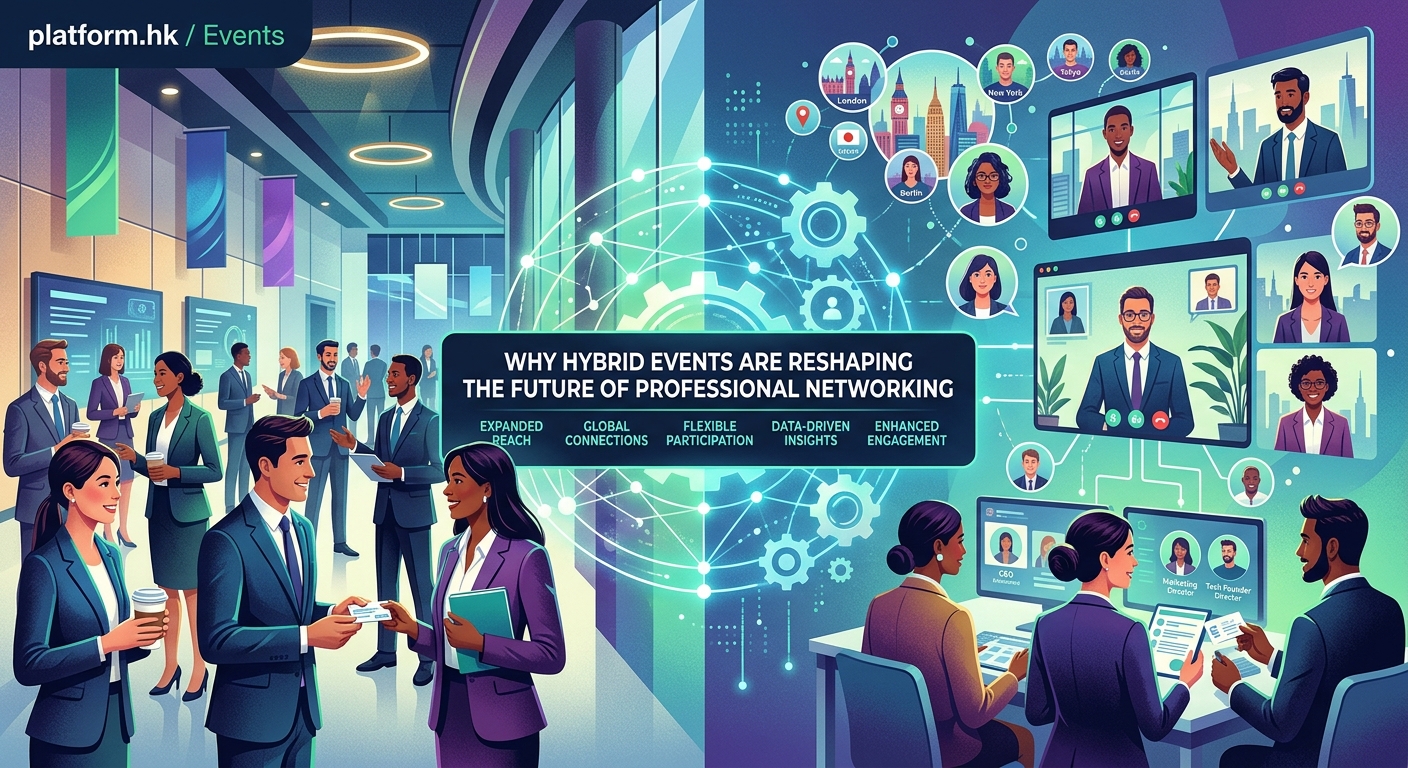
Why Hybrid Events Are Reshaping the Future of Professional Networking
The pandemic forced every event planner to rethink their strategy overnight. Virtual events kept us connected, but something felt missing. Now, as in-person gatherings return, a new model has emerged that refuses to choose between the two. Hybrid events bring together the best of both worlds, and they’re not just a temporary fix. They represent a fundamental shift in how we think about professional connection, audience reach, and event ROI.
Hybrid events blend physical and virtual attendance, offering event planners wider reach, better data, and more flexibility than traditional formats. They solve accessibility challenges, reduce costs, improve sustainability, and create lasting content. For organizations planning their next conference or networking session, the hybrid model delivers measurable advantages that make it the clear choice for future event strategies.
Understanding What Makes Hybrid Events Different
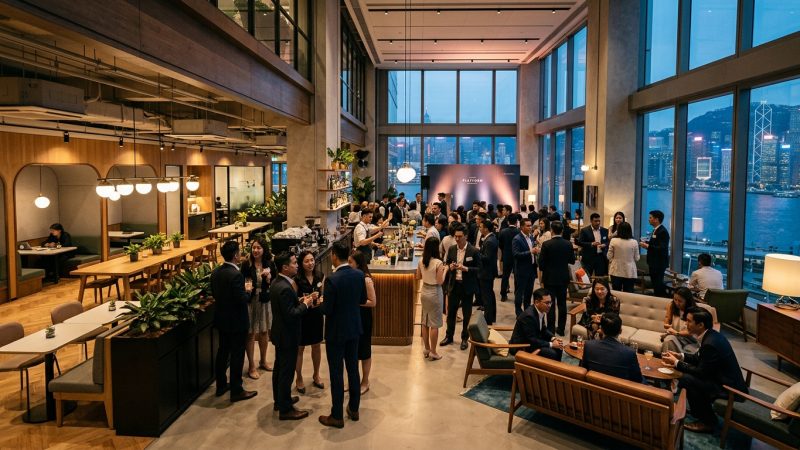
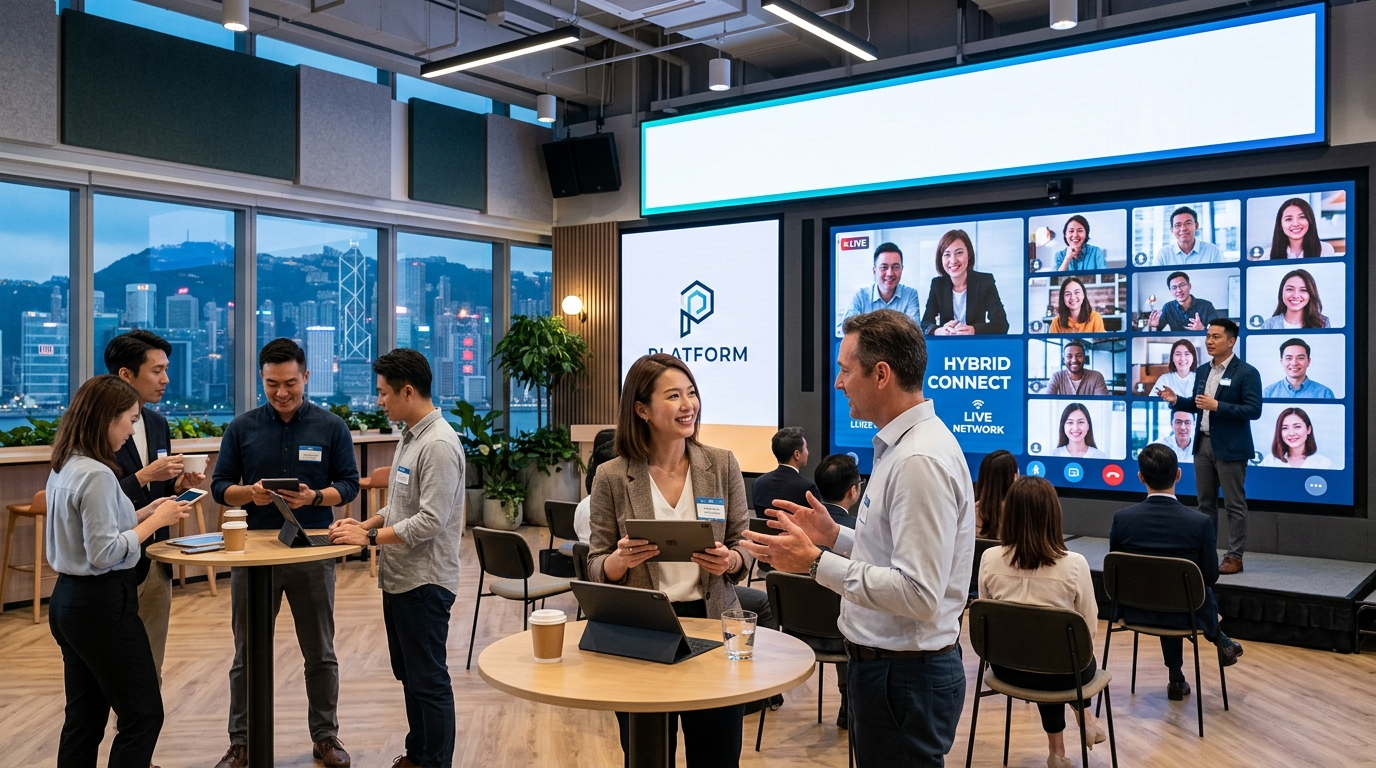
A hybrid event runs simultaneously in two spaces. Some attendees show up in person at a physical venue. Others join remotely through a digital platform. Both groups participate in the same programming, often with opportunities to interact across the divide.
This isn’t just streaming a conference to people who couldn’t make it. True hybrid events design experiences for both audiences from the start. They consider how remote attendees will network, ask questions, and feel included. They think about how in-person participants might benefit from digital tools like live polling or chat features.
The format works for everything from small team meetings to massive industry conferences. Corporate town halls, product launches, training sessions, and networking mixers all adapt well to the hybrid model.
Greater Reach Without Geographic Limits

Traditional events cap attendance at venue capacity. If your conference center holds 500 people, that’s your limit. Hybrid events remove that ceiling.
A marketing manager in Singapore can attend your New York product launch without booking flights. A startup founder in Lagos can network at your London tech summit while managing their business. You’re no longer asking people to choose between career development and their other commitments.
This expanded reach translates directly to business value. More attendees mean more potential customers, partners, and brand impressions. Your event becomes accessible to people who would never have considered attending otherwise.
The numbers back this up. Organizations report attendance increases of 200 to 300 percent when they add a virtual component. That’s not just filling empty seats. It’s reaching entirely new audience segments.
Cost Efficiency That Changes Event Economics
Running events costs money. Venues, catering, printed materials, travel stipends for speakers. These expenses add up fast, often requiring significant sponsorship or high ticket prices to break even.
Hybrid events shift this equation. You still have physical venue costs, but you’re spreading them across a much larger audience. The per-attendee cost drops significantly when hundreds of virtual participants join for minimal incremental expense.
Here’s how the economics typically break down:
| Cost Category | In-Person Only | Hybrid Event | Savings |
|---|---|---|---|
| Venue & Catering | High per person | Same base cost | 40-60% per attendee |
| Speaker Travel | Full coverage needed | Mix of in-person and remote | 30-50% reduction |
| Printed Materials | Everyone gets full packet | Digital for virtual attendees | 20-40% savings |
| Attendee Travel Support | Often subsidized | Not needed for virtual | Varies widely |
For attendees, the savings matter too. No hotel rooms, no flights, no meals out. A professional who couldn’t justify the full cost of attendance might easily afford a virtual ticket. This pricing flexibility lets you serve different budget levels without compromising the core experience.
Data and Insights That Actually Help You Improve
In-person events generate limited data. You know who registered and maybe who showed up. Beyond that, you’re guessing about engagement and interest.
Digital platforms change everything. You can track which sessions attracted the most viewers, how long people stayed engaged, which networking connections led to follow-up conversations. Every click and interaction becomes a data point.
This information helps you make better decisions:
- Which topics resonated most with your audience
- What time slots saw the highest engagement
- Which speakers kept people watching versus those who saw drop-offs
- How different audience segments behaved differently
- What content is worth repurposing or expanding
You can survey virtual attendees instantly after sessions. You can A/B test different formats. You can measure ROI with actual numbers instead of gut feelings.
For sponsors, this data proves value. Instead of vague impressions, you can show exactly how many people saw their booth, clicked their links, or downloaded their materials.
Accessibility Opens Doors for Everyone
Not everyone can attend traditional events, even when they want to. Physical disabilities, chronic health conditions, anxiety disorders, and caregiving responsibilities all create barriers. Geographic location and financial constraints add more obstacles.
Hybrid events remove many of these barriers. Someone managing a health condition can participate from home without worrying about venue accessibility or energy management. A parent can attend sessions during nap time. An introvert can network through chat instead of navigating a crowded room.
This isn’t just about being nice. It’s about accessing talent and perspectives you’d otherwise miss. The person with the perfect solution to your industry challenge might be someone who could never attend your in-person conference.
Accessibility features benefit everyone:
- Closed captions help non-native speakers and people in noisy environments
- Recording sessions lets people watch on their own schedule
- Digital Q&A gives thoughtful people time to formulate questions
- Multiple networking formats suit different communication styles
Building Content Assets That Keep Working
An in-person event ends when everyone goes home. A hybrid event creates content assets that continue delivering value for months.
Every session you record becomes potential marketing material. You can:
- Edit keynotes into highlight reels for social media
- Pull quotes and insights for blog posts and articles
- Create on-demand courses from educational sessions
- Share speaker presentations as lead magnets
- Build a content library for members or customers
This extends your event’s lifespan and ROI dramatically. Instead of one day of value, you’re creating resources that attract new audience members year-round.
Some organizations now design their events specifically for this dual purpose. They plan sessions that will work both live and as standalone content. They invest in better production quality knowing the recordings will represent their brand long-term.
Environmental Impact That Actually Matters
Business travel generates massive carbon emissions. A single international flight can produce more CO2 than many people create in months of daily living. When you multiply that by hundreds of conference attendees, the environmental cost becomes hard to ignore.
Hybrid events dramatically reduce this impact. Fewer people flying means fewer emissions. Local attendees can still gather in person while distant participants join virtually.
The venue footprint shrinks too. You need less space, which means less heating, cooling, and electricity. Less catering means less food waste. Fewer printed materials means less paper consumption.
For organizations with sustainability commitments, this matters. You can host impactful events without compromising your environmental goals. You can report meaningful reductions in your carbon footprint.
Many attendees care about this too. Offering a virtual option lets environmentally conscious professionals participate without the guilt of unnecessary travel.
Flexibility When Plans Change
The pandemic taught us that certainty is an illusion. Travel restrictions, weather events, personal emergencies, and health concerns can disrupt even the best-laid plans.
Hybrid events build in resilience. If a speaker gets sick, they can still present remotely. If a snowstorm grounds flights, affected attendees can switch to virtual participation. If local regulations change, you can shift more of the event online without canceling entirely.
This flexibility reduces risk for everyone. Event planners face less pressure to make all-or-nothing decisions. Attendees can commit earlier knowing they have options if circumstances change. Sponsors get more certainty about reaching their target audience.
“We used to lose 15 to 20 percent of registered attendees to last-minute cancellations. With hybrid, those people just switch to virtual. We maintain our attendance numbers and they still get the value they paid for.” — Conference director at a major industry association
Common Mistakes and How to Avoid Them
Moving to hybrid events sounds straightforward, but execution matters. Here are the pitfalls that trip up even experienced planners:
| Mistake | Why It Happens | Better Approach |
|---|---|---|
| Treating virtual as an afterthought | Designing for in-person first | Plan both experiences simultaneously |
| Poor audio/video quality | Underinvesting in production | Budget for professional equipment and crew |
| No virtual networking | Assuming networking happens naturally | Create structured connection opportunities |
| Ignoring time zones | Focusing on local audience only | Offer recordings or multiple session times |
| Separate content tracks | Trying to serve both audiences differently | Design shared experiences with format variations |
The most successful hybrid events don’t just stream in-person content. They create moments designed for both audiences to shine. A panel discussion might include both in-room and remote panelists. Networking sessions might use digital tools that work for everyone, regardless of location.
Technology That Makes It Possible
You don’t need a massive budget to run a hybrid event, but you do need the right tools. The technology landscape has matured significantly, with options for every budget level.
Basic requirements include:
- A reliable video platform that handles your expected audience size
- Quality cameras and microphones for the physical venue
- Stable internet connection with backup options
- A way for virtual attendees to interact (chat, Q&A, polls)
- Registration system that manages both ticket types
More sophisticated setups might add:
- Professional streaming equipment and operators
- Interactive displays that show virtual attendees to in-person participants
- Networking platforms that facilitate one-on-one connections
- Mobile apps that work for both attendance modes
- Analytics dashboards that track engagement in real time
The key is matching your technology investment to your event goals and audience expectations. A small team meeting needs different tools than a thousand-person conference.
Making Virtual Attendees Feel Included
The biggest challenge in hybrid events is creating equity between in-person and virtual experiences. Nothing kills engagement faster than making remote attendees feel like second-class participants.
Successful event planners use several strategies:
- Assign a moderator specifically focused on virtual attendees
- Display virtual participant questions and comments prominently in the room
- Acknowledge remote attendees by name during sessions
- Create virtual-only perks like exclusive chat sessions with speakers
- Use icebreakers and activities that work equally well in both formats
- Show remote attendees on screens in the physical space
The goal is making virtual participation feel like a choice, not a compromise. When remote attendees feel genuinely included, they engage more, return for future events, and recommend the experience to others.
Sponsorship Value That Serves Both Audiences
Sponsors fund many professional events, and they need ROI. Hybrid events actually enhance sponsorship value when structured thoughtfully.
Digital sponsor booths can include video demos, downloadable resources, and direct chat with company representatives. These work 24/7, not just during exhibit hall hours. Virtual attendees often spend more time with sponsor content because they can browse without the social awkwardness of walking away from a booth.
Sponsor benefits might include:
- Logo placement in both physical and virtual spaces
- Speaking opportunities that reach the full audience
- Access to attendee data (with appropriate permissions)
- Sponsored networking sessions or breakout rooms
- Pre-event and post-event email opportunities
- Analytics showing exactly how many people engaged with their content
This expanded reach justifies premium sponsorship prices. You’re offering access to a much larger audience than a physical-only event could deliver.
Planning Your First Hybrid Event
If you’re ready to try the hybrid format, start with a clear process:
-
Define your goals for both audiences. What should in-person attendees experience? What should virtual participants gain? How will you measure success for each group?
-
Choose your technology stack early. Test everything multiple times before the event. Have backup plans for technical failures. Train your team thoroughly on all systems.
-
Design your agenda with both formats in mind. Some session types work better hybrid than others. Keynotes translate well. Small group discussions need more careful planning. Networking requires intentional structure.
-
Price your tickets strategically. Virtual tickets typically cost 30 to 50 percent of in-person tickets, but this varies by industry and event type. Consider what each audience gets and price accordingly.
-
Communicate clearly about what each ticket includes. Don’t let attendees guess about access levels, recording availability, or networking opportunities. Clear expectations prevent disappointment.
-
Rehearse the full experience. Run through your event from both an in-person and virtual perspective. Identify friction points and fix them before your audience encounters them.
-
Gather feedback immediately. Survey both audiences while the experience is fresh. Use this input to improve your next event.
Why This Format Keeps Growing
Hybrid events aren’t a trend that will fade. They solve real problems that existed long before the pandemic forced us to experiment with new formats.
They let organizations reach global audiences without requiring global travel. They make events accessible to people who were previously excluded. They generate better data for continuous improvement. They create content assets with lasting value. They reduce environmental impact without reducing business impact.
Most importantly, they give attendees choice. Some people thrive in the energy of in-person gatherings. Others prefer the flexibility and focus of virtual participation. Hybrid events say yes to both.
As technology continues improving and expectations continue evolving, the hybrid model will only get stronger. Organizations that master this format now will have a significant advantage over those still clinging to single-format events.
The Path Forward for Event Professionals
The question isn’t whether hybrid events will stick around. They will. The question is how quickly event planners, corporate teams, and business leaders will adapt their strategies to take full advantage of the format’s benefits.
Start small if you need to. Add a virtual component to your next team meeting. Stream your quarterly town hall. Test the technology and processes with lower stakes before committing to a major conference.
Pay attention to what works and what doesn’t. Hybrid events require different skills than traditional event planning. You need to think about production quality, digital engagement, and dual-audience experiences. These skills develop with practice.
The organizations seeing the biggest wins from hybrid events are those that stopped viewing them as a compromise between in-person and virtual. They’re building hybrid-first strategies that maximize the unique advantages of reaching people wherever they are. That mindset shift makes all the difference between a mediocre hybrid event and one that delivers real value to everyone involved.