Can You Really Stay Focused Working From Coffee Shops?

You’ve seen them. Laptops open, headphones on, coffee cup half empty. Remote workers camped at corner tables for hours, seemingly immune to the chaos around them. Meanwhile, you’re wondering if you could pull off the same thing or if you’d just end up scrolling social media while your latte goes cold.
Coffee shops can boost productivity through ambient noise, social accountability, and a change of scenery, but success depends on choosing the right cafe, bringing proper equipment, timing your visit strategically, and setting clear work boundaries. Not every task suits cafe work, and understanding when to stay home versus when to venture out makes all the difference in maintaining focus and output.
Why cafes work for some people and fail for others
The science behind coffee shop productivity is real. Research shows that moderate ambient noise, around 70 decibels, can actually enhance creative thinking. That’s the sweet spot where a cafe hums with conversation and espresso machines without becoming overwhelming.
But there’s more to it than sound levels.
When you work from home, your brain knows that couch is for Netflix. That bed is for sleeping. The kitchen is for snacking. Your environment sends signals about what behavior belongs there, and sometimes those signals conflict with getting work done.
A coffee shop breaks those associations. Your brain doesn’t have pre-existing habits tied to that corner table. It’s neutral territory, which can help you slip into work mode faster.
The presence of other people matters too. Even if nobody knows you, seeing others around you creates a subtle form of social accountability. You’re less likely to watch YouTube videos when strangers might glance at your screen. This phenomenon, called the audience effect, keeps many remote workers more disciplined in public spaces than in private ones.
That said, not everyone thrives in this environment. If you’re easily distracted by movement, sensitive to noise, or need complete silence for concentration, cafes might drain your energy instead of boosting it. Understanding your own work style matters more than following trends.
Picking a cafe that actually supports focused work
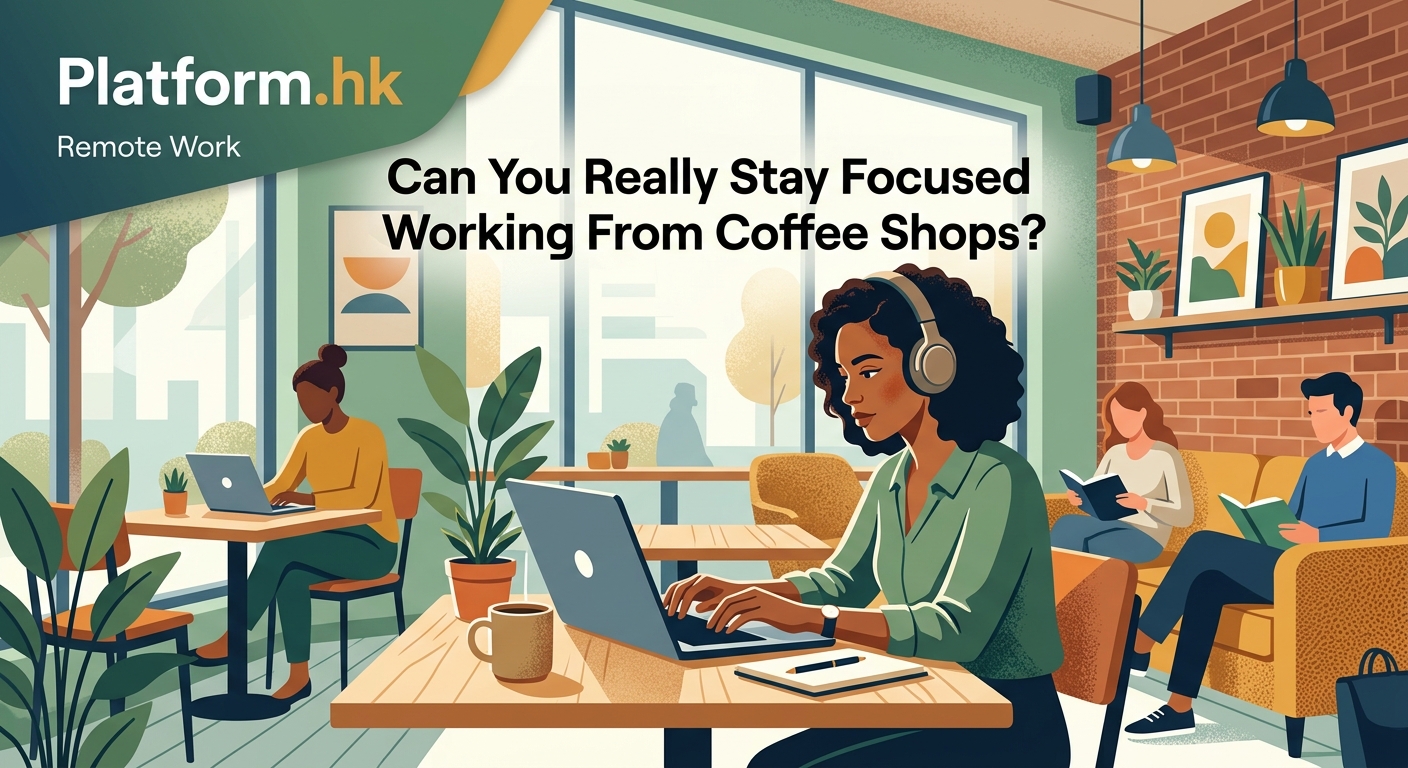
Not all coffee shops welcome laptop workers. Some have policies limiting screen time during peak hours. Others lack power outlets or comfortable seating. Before you settle in for a three-hour work session, scout locations that align with your needs.
Look for these features when evaluating potential workspaces:
- Sufficient power outlets that aren’t all claimed by regulars
- Comfortable chairs with back support for extended sitting
- Stable tables that don’t wobble when you type
- Reliable wifi with decent upload speeds
- Moderate noise levels without screaming espresso grinders
- Lighting that doesn’t create screen glare
- Restrooms you can access without asking for a key
- A layout that offers some privacy from foot traffic
Visit potential cafes during the hours you plan to work. A spot that’s perfect at 10 AM might transform into chaos by noon. Pay attention to how staff treat laptop users. Do they seem annoyed? Do they hover and pressure people to order more? Or do they refill water glasses and leave workers in peace?
Local independent shops often have more flexible attitudes toward remote workers than chains, but this varies wildly. Some indie cafes depend on high turnover and discourage camping. Others actively court the remote work crowd with membership programs and dedicated work zones.
What to bring for a productive cafe session
Showing up unprepared guarantees frustration. Even the best coffee shop can’t compensate for a dead laptop battery or forgotten headphones.
Pack these essentials before leaving home:
- Fully charged laptop with power adapter
- Noise canceling headphones or earbuds
- Phone charger and backup battery
- Notebook and pen for analog tasks
- Water bottle to stay hydrated
- Any physical materials you need for your work
Consider bringing a portable laptop stand if you plan extended sessions. Hunching over a low table for hours wrecks your neck and shoulders. A small stand elevates your screen to eye level, letting you maintain better posture.
Download any files or resources you might need before arriving. Cafe wifi can be unreliable, and you don’t want to waste time troubleshooting connection issues when you could be working. Having everything local on your device gives you backup options if the internet fails.
Think about your power situation strategically. If you grab a table without an outlet, you’re on borrowed time. Even if your battery claims six hours, real world usage with video calls and multiple apps drains it faster. Scope out outlet locations as soon as you arrive.
The etiquette that keeps you welcome
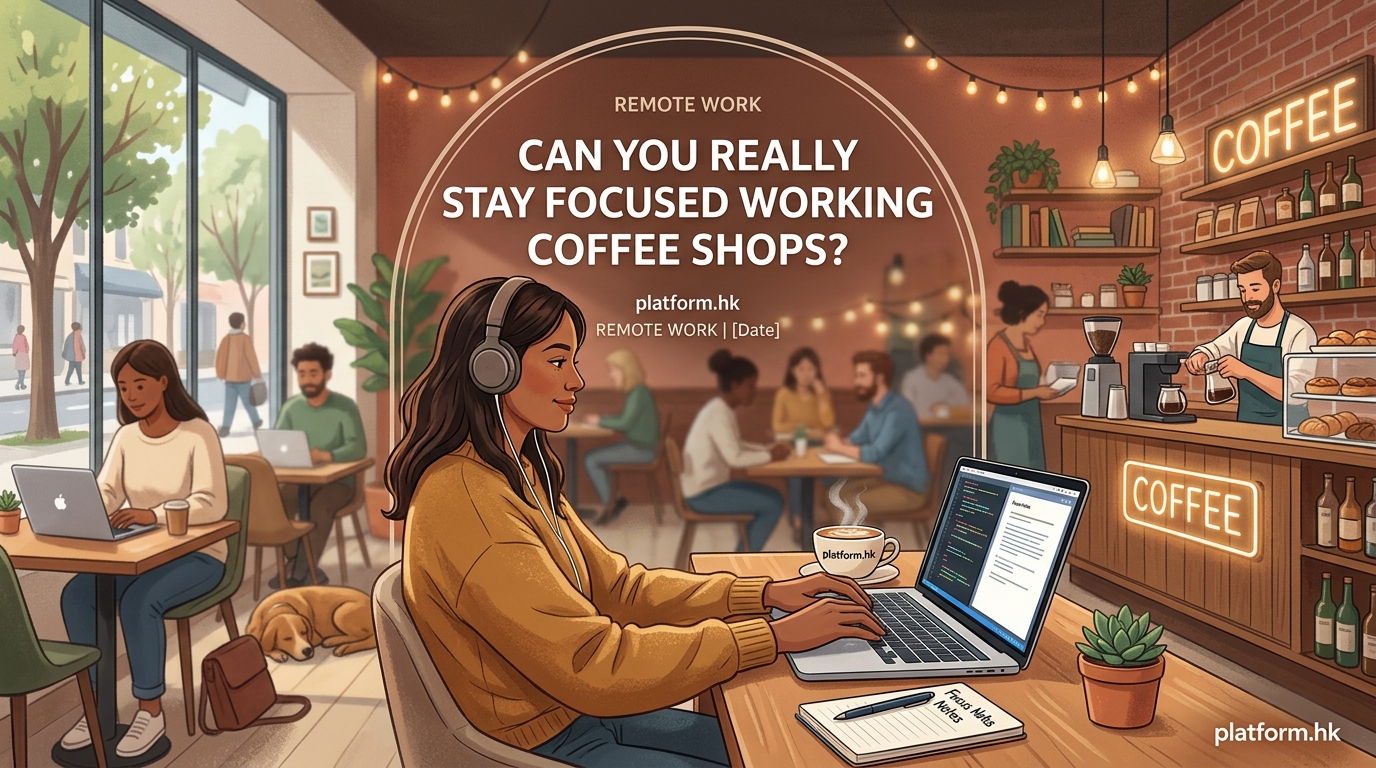
Coffee shops run on customer turnover. When you occupy a seat for hours, you’re reducing their revenue potential. Being a considerate guest ensures you can return without guilt or glares from staff.
Buy something every 90 minutes to two hours. You don’t need to order a full meal each time, but a pastry, another coffee, or a snack shows you respect their business model. Calculate what you’d pay for coworking space, and you’ll realize cafe work is a bargain even with multiple purchases.
Don’t spread out like you own the place. Keep your belongings compact. If the cafe gets crowded, offer to share your table with another solo worker. This small gesture builds goodwill and demonstrates awareness of the space.
Avoid taking phone calls at your table. Step outside for conversations. Your side of a work call might seem quiet to you, but it disrupts everyone nearby. The same goes for video meetings. Find a private corner or skip the cafe that day.
Clean up after yourself. Bus your dishes. Wipe crumbs off the table. Push your chair in when you leave. These tiny actions distinguish respectful remote workers from entitled laptop squatters.
“The best cafe workers are the ones who understand they’re guests in someone else’s business. They contribute to the atmosphere instead of just consuming it. When you see the same faces week after week, you know they’ve figured out the balance.” — Coffee shop owner in Portland
When coffee shops boost productivity versus when they kill it
Certain tasks thrive in cafe environments while others crash and burn. Matching your work type to the setting prevents wasted time and frustration.
| Task Type | Cafe Suitability | Why |
|---|---|---|
| Writing and editing | Excellent | Ambient noise aids creativity, minimal interaction needed |
| Design work | Good | Visual tasks work well, but color accuracy may suffer in poor lighting |
| Email and admin | Excellent | Low cognitive load tasks handle distractions easily |
| Video calls | Poor | Background noise disrupts audio, privacy concerns |
| Deep coding | Mixed | Depends on your noise sensitivity and problem complexity |
| Reading and research | Good | Passive tasks tolerate interruptions better |
| Brainstorming | Excellent | Change of scenery sparks new ideas |
| Financial work | Poor | Privacy and security concerns with sensitive data |
Save your deepest concentration work for quieter environments. If you need to think through a complex problem without interruption, a cafe probably isn’t the right choice. But if you’re tackling routine tasks that don’t require intense focus, the energy of a busy cafe can actually help you power through them faster.
Time of day matters enormously. Early morning cafes offer quiet focus time before the lunch rush. Mid-afternoon provides another window after the crowd thins. Trying to work during peak hours means constant interruptions, difficulty finding seats, and pressure to give up your table.
Setting boundaries that protect your focus
Just because you’re in public doesn’t mean you’re available for socializing. Regular cafe workers develop strategies to signal when they’re open to chat versus when they need to concentrate.
Headphones serve as a universal “do not disturb” sign. Even if you’re not playing music, wearing them discourages interruptions. Make eye contact and smile when you arrive and order, then put your headphones on to create a focus bubble.
Position yourself strategically. Facing a wall reduces visual distractions. Sitting with your back to the door means you won’t see every person who enters. Corner spots offer more privacy than center tables.
Use time blocking to structure your cafe sessions. Decide before arriving exactly what you’ll accomplish. Having clear goals prevents you from drifting into unproductive browsing when distractions arise.
Take real breaks instead of fake ones. Scrolling your phone while pretending to work doesn’t refresh your brain. Stand up, walk around the block, or sit without screens for ten minutes. These genuine breaks restore focus better than digital distractions.
Common mistakes that sabotage cafe productivity
Even experienced remote workers fall into traps that undermine their coffee shop sessions. Recognizing these patterns helps you avoid them.
Arriving without a plan tops the list. If you don’t know what you’re working on, you’ll waste the first 30 minutes figuring it out. By then, your motivation has leaked away. Define your tasks before you leave home.
Choosing the wrong cafe for your current energy level causes problems. If you’re already tired, a loud busy shop will drain you further. Match the environment to your state. Feeling sluggish? Pick somewhere with energy. Already wired? Find a calmer spot.
Staying too long hits diminishing returns. After three or four hours, your productivity drops regardless of location. Knowing when to pack up prevents you from sitting there achieving nothing while your back aches and your coffee goes cold.
Ignoring your body’s signals leads to misery. If you need to pee, go. If you’re hungry, eat. If your shoulders hurt, adjust your setup. Pushing through discomfort doesn’t make you more productive. It just makes you associate cafe work with suffering.
Comparing yourself to others around you creates unnecessary pressure. That person who looks incredibly focused might be playing solitaire. You have no idea what anyone else is actually accomplishing. Focus on your own work instead of performing productivity for an imaginary audience.
Making cafe work a sustainable habit
If you want coffee shops to become a reliable part of your work routine, treat them like any other professional space. Develop systems that make the transition smooth instead of chaotic.
Create a cafe work kit that lives in your bag. Keep your chargers, headphones, and other essentials together so you can grab and go without hunting for items. This removes friction and makes it easier to choose cafe work on impulse.
Build relationships with staff at your regular spots. Learn names. Tip well. Ask how their day is going. These small interactions transform you from anonymous laptop person into a valued regular. Staff will save your favorite table, warn you about upcoming closures, and generally look out for you.
Track which cafes work best for which tasks. You might find one spot perfect for writing but terrible for calls. Another might have great morning energy but awful afternoon crowds. Keeping mental notes helps you choose the right location for each work session.
Set a realistic budget for cafe work. If money is tight, limit yourself to one or two sessions per week. If you can afford it, consider it part of your business expenses. Either way, knowing your limits prevents guilt or financial stress from undermining your focus.
Rotate between multiple locations to prevent burnout. Even your favorite cafe gets stale if you’re there every day. Variety keeps the environment feeling fresh and maintains the productivity boost that comes from changing your scenery.
Finding your own coffee shop work rhythm
The remote workers who successfully use cafes long term all share one trait. They’ve figured out their personal formula through experimentation instead of following someone else’s rules.
Maybe you’re most productive in 90 minute bursts with a cafe change in between. Maybe you need total silence for the first two hours of your day and only venture out after lunch. Maybe you work best at busy shops on Mondays but need quiet corners by Friday.
Your patterns won’t match anyone else’s, and that’s fine. The goal isn’t to become a full time cafe worker. It’s to add another tool to your productivity toolkit, one you can pull out when it serves your needs.
Start with one cafe session this week. Pick a specific task. Notice what works and what doesn’t. Adjust your approach for next time. Over a few weeks, you’ll develop instincts about when coffee shop work makes sense and when staying home is smarter.
The flexibility to choose your workspace based on your current needs and energy levels is one of the best parts of remote work. Coffee shops offer that option when you need it, as long as you approach them with realistic expectations and solid preparation.