10 Innovative Event Formats That Boost Attendee Engagement
Planning an event that people actually remember takes more than booking a venue and sending invitations. The difference between a forgettable gathering and one that sparks conversation for weeks comes down to how well you engage your attendees from start to finish.
Successful event engagement relies on interactive formats that encourage active participation rather than passive observation. From gamified challenges and live polling to breakout workshops and immersive demonstrations, the most effective strategies transform attendees into contributors. Choosing the right mix of activities for your audience and event type creates memorable experiences that drive satisfaction and lasting connections.
Why Attendee Engagement Matters More Than Ever
Attention spans are shorter. Distractions are everywhere. People attend events with high expectations and limited patience for anything that feels like wasted time.
Engaged attendees participate more actively. They network with intention. They share their experiences on social media. They return for future events and bring colleagues along.
Disengaged attendees check their phones. They leave early. They forget your event before they reach the parking lot.
The gap between these two experiences comes down to how you structure participation. Passive formats like long presentations and static booths no longer cut it. Modern event success requires interactive elements that pull people in and keep them involved.
Interactive Formats That Transform Passive Audiences
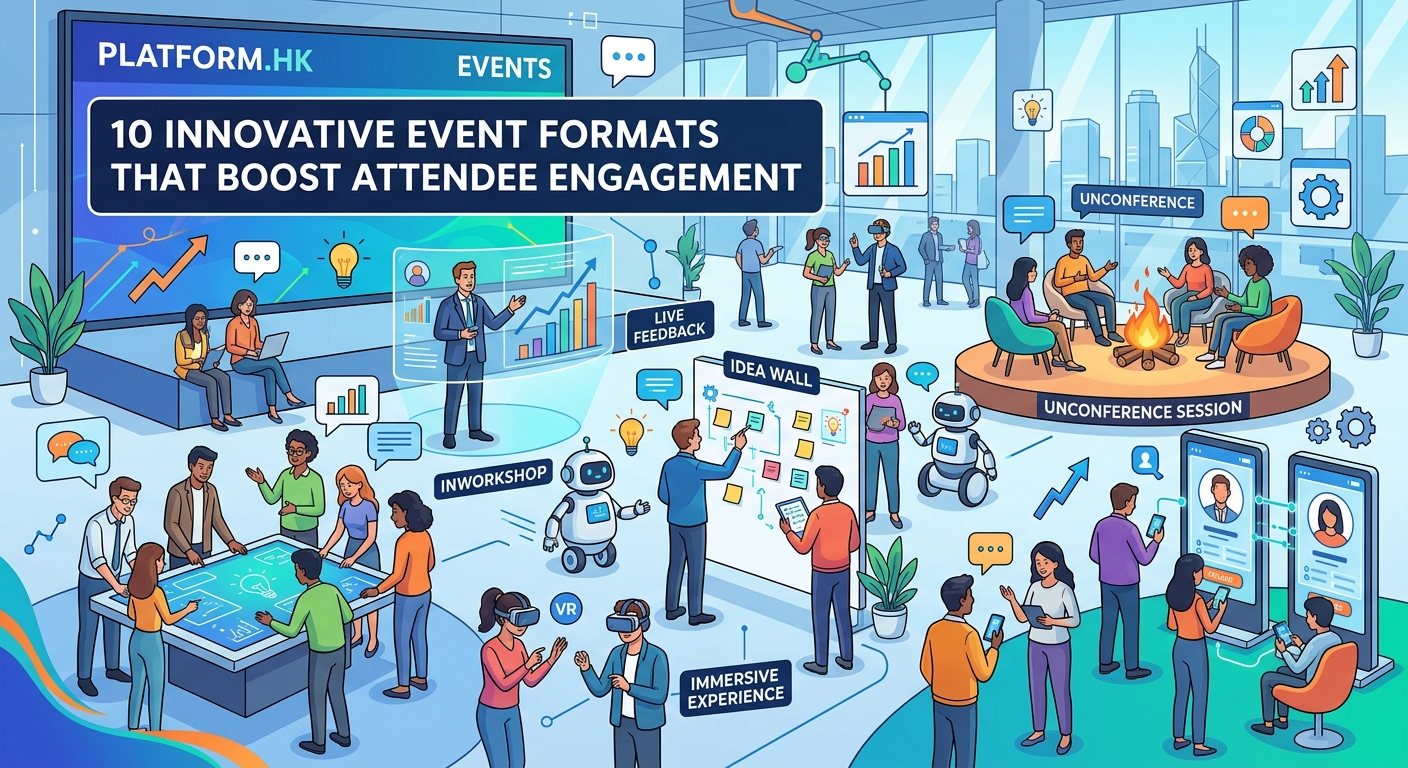
Traditional lecture-style events create one-way communication. Attendees sit, listen, and maybe ask a question if time allows. Interactive formats flip this dynamic by making participation the default rather than the exception.
Live polling and real-time Q&A turn presentations into conversations. Attendees submit questions through event apps, vote on topics they want covered, and see their input shape the discussion. This approach works especially well for large conferences where raising hands feels intimidating.
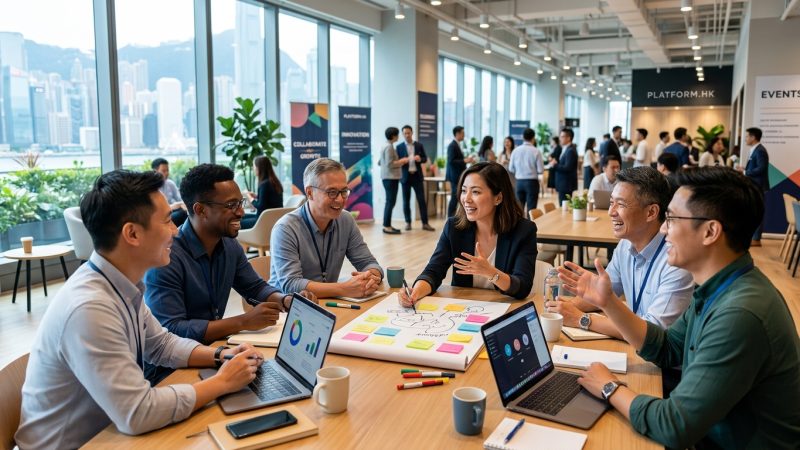
Breakout workshops and facilitated roundtables split large groups into smaller, focused sessions. Instead of 500 people watching one speaker, you create 10 groups of 50 having deeper conversations. Participants contribute ideas, solve problems together, and build connections with people facing similar challenges.
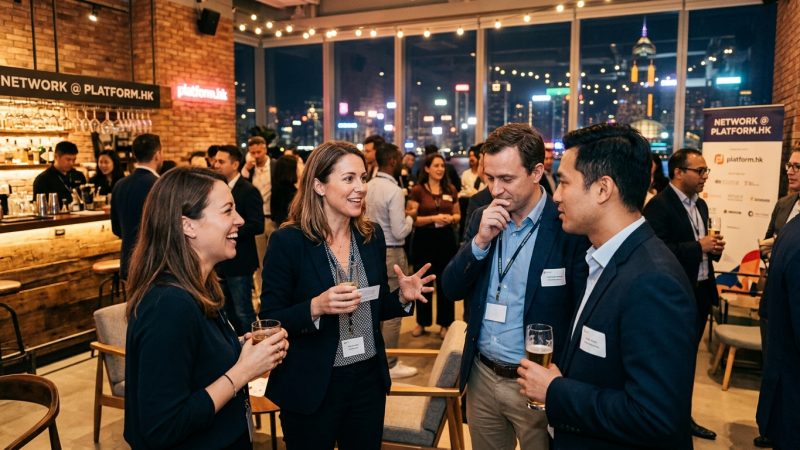
Speed networking sessions apply the speed dating model to professional connections. Attendees rotate through brief one-on-one conversations, exchanging contact information with people they want to follow up with later. This format eliminates the awkward hovering that happens during traditional networking breaks.
Gamified challenges and scavenger hunts add competitive elements that drive exploration. Attendees earn points for visiting sponsor booths, attending specific sessions, or completing tasks throughout the venue. Leaderboards and prizes create motivation beyond the content itself.
“The best events don’t just deliver information. They create environments where attendees actively shape their own experience and connect with others doing the same.”
Hands-On Activities That Drive Participation
People remember what they do more than what they hear. Hands-on activities create memorable moments while reinforcing key messages.
Interactive demonstration stations let attendees try products, tools, or techniques themselves. A cooking event becomes more engaging when participants chop vegetables rather than just watching a chef work. A tech conference gains impact when attendees code alongside the presenter instead of observing from their seats.
DIY craft or creation stations work for events beyond traditional workshops. Corporate gatherings can include team building through collaborative art projects. Trade shows can feature customization stations where attendees personalize products or materials to take home.
Live performances and pop-up entertainment break up the formal structure of an event. A surprise musician, comedian, or performer creates energy shifts that re-engage tired audiences. These moments also provide natural conversation starters for networking.
Photo booths and social media walls serve dual purposes. They create shareable content that extends your event’s reach while giving attendees a fun activity during breaks. Display user-generated content on screens throughout the venue to encourage more participation.
Technology-Enhanced Engagement Strategies
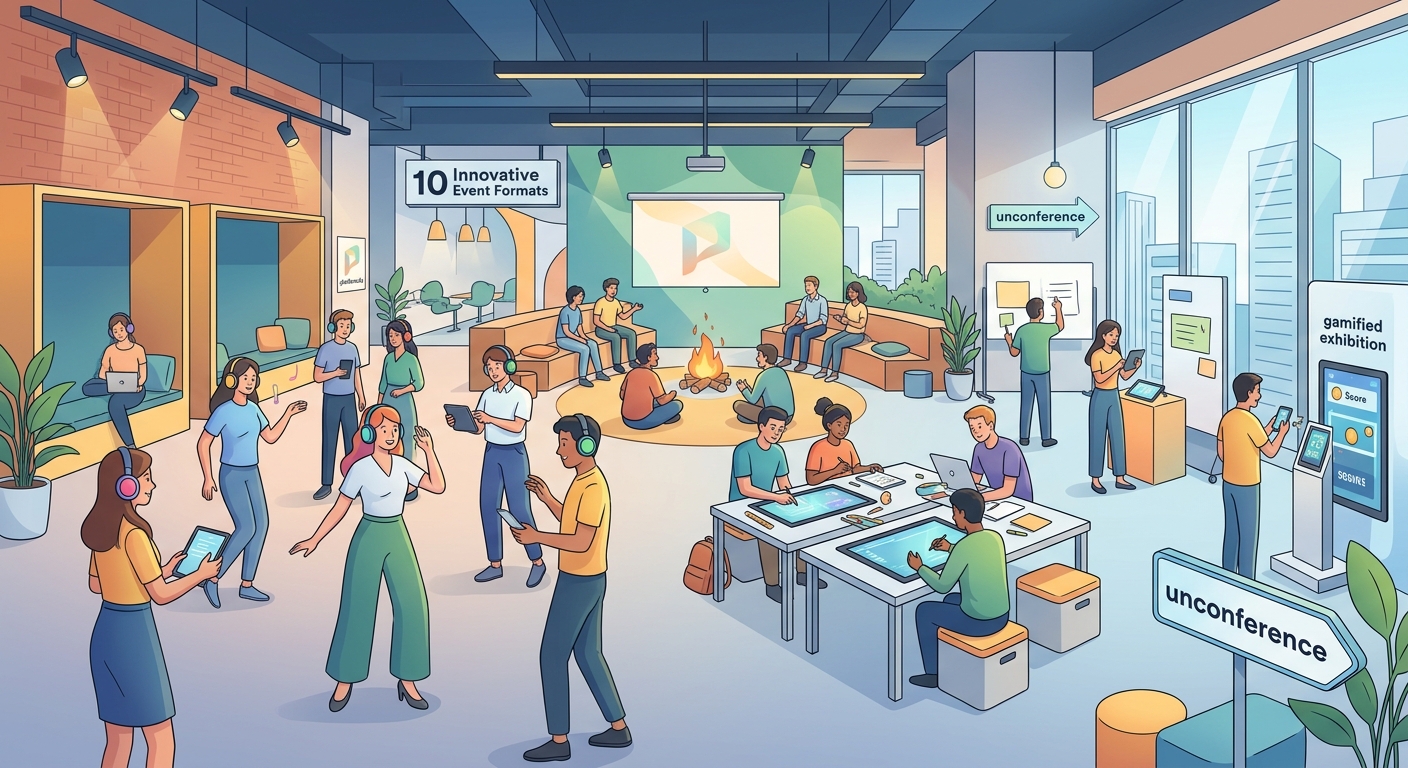
Event technology has moved far beyond basic registration systems. Modern tools create interactive experiences that were impossible a few years ago.
Augmented reality scavenger hunts overlay digital content onto physical spaces. Attendees use their phones to find virtual objects, unlock content, or complete challenges throughout the venue. This approach combines exploration with technology in ways that feel fresh and engaging.
Virtual reality demonstrations immerse attendees in experiences they couldn’t access otherwise. Real estate events can transport people to properties across the country. Manufacturing conferences can simulate factory floor operations. Training events can recreate high-stakes scenarios in safe environments.
Event apps with matchmaking features use algorithms to suggest connections based on interests, industries, or goals. Instead of random networking, attendees receive curated recommendations for people worth meeting. Some apps even schedule meetings automatically based on mutual availability.
Digital badge systems track attendance and interactions throughout an event. Attendees collect badges for completing activities, visiting booths, or attending sessions. This gamification creates visible progress that motivates continued participation.
Creating Meaningful Small Group Experiences
Large group sessions have their place, but smaller interactions often create the most value. Building these opportunities into your event structure ensures attendees form real connections.
Here are effective small group formats:
- Roundtable discussions with 8-12 people and a facilitator who keeps conversation focused
- Birds of a feather sessions where people self-organize around specific topics or challenges
- Mastermind circles that bring together people at similar career stages to share advice
- Peer learning pods where attendees teach each other skills or share case studies
- Problem-solving workshops that tackle real challenges participants are currently facing
The key is giving these sessions structure without making them feel rigid. Clear prompts or questions help groups get started. Time limits keep energy high. Facilitators ensure everyone contributes rather than letting one person dominate.
Engagement Techniques Across Event Stages
Different stages of your event require different engagement approaches. What works during registration won’t work during closing remarks.
| Event Stage | Effective Techniques | Common Mistakes |
|---|---|---|
| Pre-event | Personalized agendas, discussion forums, social media campaigns | Generic mass emails, no preview of content |
| Opening | Interactive icebreakers, live polling, energetic welcome | Long sponsor acknowledgments, housekeeping details |
| Mid-event | Breakout sessions, networking activities, hands-on demos | Back-to-back presentations, no breaks |
| Closing | Reflection activities, commitment cards, celebration moments | Rushed endings, anticlimactic wrap-ups |
| Post-event | Content sharing, alumni networks, follow-up surveys | No communication, generic thank-you emails |
Each stage builds on the previous one. Pre-event engagement sets expectations. Opening activities establish the interactive tone. Mid-event elements maintain momentum. Closing moments create lasting impressions. Post-event follow-up extends the relationship beyond the venue.
Tailoring Engagement to Your Event Type
Not every engagement strategy works for every event. A corporate training session needs different approaches than a trade show or fundraising gala.
For conferences and conventions, focus on creating multiple pathways through content. Offer simultaneous sessions at different experience levels. Include open space sessions where attendees propose topics. Build in extended networking breaks rather than rushing people between rooms.
For trade shows and expos, prioritize booth interactivity over static displays. Encourage exhibitors to offer demonstrations, contests, or giveaways that require participation. Create passport programs that reward attendees for visiting multiple booths.
For corporate meetings and training events, incorporate team challenges that reinforce learning objectives. Use case study discussions instead of lectures. Include reflection time where participants plan how they’ll apply new knowledge.
For fundraising events, blend mission moments with interactive elements. Include beneficiary stories alongside auction activities. Create giving circles where small groups discuss impact together. Use live thermometers that show progress toward goals in real time.
Measuring What Actually Matters
Engagement isn’t just a feeling. Tracking the right metrics helps you understand what works and what needs adjustment.
Focus on these indicators:
- Session attendance rates compared to registration numbers
- App usage statistics showing which features attendees actually use
- Social media mentions and shares from attendees during the event
- Networking connection data from apps or badge scanning
- Post-event survey responses about specific activities and formats
- Content consumption after the event through recordings or materials
- Return attendance rates for subsequent events
Numbers tell part of the story. Qualitative feedback fills in the rest. Ask specific questions about which activities felt most valuable. Find out what attendees would change. Learn which moments they’re still talking about weeks later.
Common Engagement Mistakes to Avoid
Even experienced planners fall into traps that undermine engagement. Recognizing these patterns helps you design better experiences.
Overloading the schedule leaves no time for organic interactions. Attendees need breathing room to process information, make connections, and recharge. Build in buffer time between sessions.
Ignoring different learning styles means some attendees never fully engage. Visual learners need graphics and demonstrations. Auditory learners benefit from discussions. Kinesthetic learners require hands-on activities. Mix formats to reach everyone.
Forcing participation backfires with introverted attendees. Provide options for different comfort levels. Some people engage through observation before jumping in. Others prefer written contributions over verbal ones.
Neglecting logistics kills engagement faster than boring content. Uncomfortable seating, poor audio, confusing wayfinding, and long lines create friction that pulls attention away from your carefully planned activities.
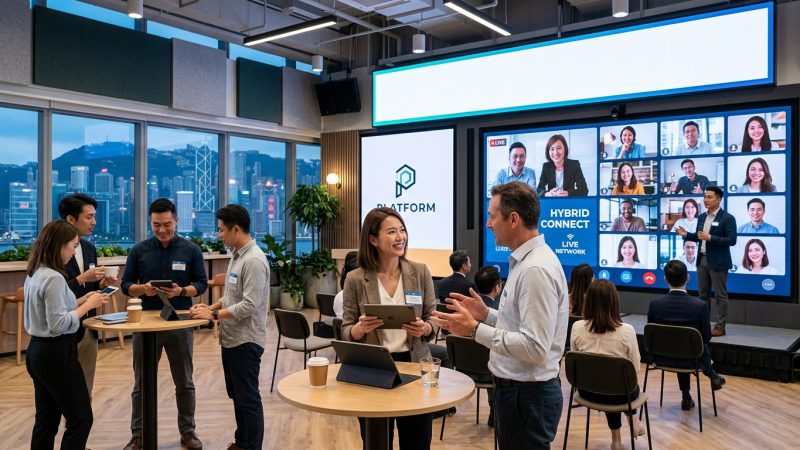
Treating virtual and hybrid attendees as afterthoughts creates two-tier experiences. Remote participants need their own engagement opportunities, not just a camera pointed at an in-person event.
Building Engagement into Your Planning Process
Engagement doesn’t happen by accident. It requires intentional design from the earliest planning stages.
Start by defining what engagement means for your specific event. Is it active participation in sessions? Networking connections made? Social media buzz? Post-event action taken? Clear goals shape your strategy.
Map the attendee journey from registration through post-event follow-up. Identify every touchpoint and ask how you can make it more interactive. Even confirmation emails can include polls or questions that start building community.
Involve attendees in planning when possible. Send surveys about topics they want covered. Let them vote on session formats. Invite them to suggest speakers or activities. This investment increases their commitment to participating.
Brief speakers and facilitators on your engagement expectations. Provide guidelines for interactive presentations. Share tools and techniques they can use. Make it clear that engaging the audience is as important as delivering content.
Test activities before the event whenever possible. Run through gamification systems. Try out polling technology. Walk through the venue looking for engagement opportunities. Small adjustments during planning prevent big problems during execution.
Making Engagement Sustainable
One-off engagement tactics create temporary spikes in participation. Sustainable engagement builds communities that extend beyond individual events.
Create year-round touchpoints through online communities, regular content, or smaller gatherings between major events. Attendees who stay connected between events arrive already engaged and ready to participate.
Recognize and reward active participants in ways that feel genuine rather than transactional. Highlight community members who contribute ideas, help others, or consistently show up. People engage more when they feel seen and appreciated.
Gather and implement feedback in visible ways. When attendees suggest improvements and then see those changes at the next event, they understand their input matters. This loop encourages continued participation.
Build on past connections by helping people reconnect at future events. Event apps can show attendees who they met last time. Reunion activities can bring back groups from previous years. This continuity deepens relationships over time.
Putting These Ideas Into Action
You don’t need to implement every strategy at once. Start with two or three approaches that fit your event type and audience. Test them. Measure results. Refine your approach.
The events people remember are the ones where they felt involved, connected, and valued. Every interaction you design should move attendees from passive observers to active participants. That shift transforms ordinary gatherings into experiences people look forward to and talk about long after they end.
Choose formats that match your goals. Give people multiple ways to engage. Remove barriers to participation. Then watch as your attendees become the best part of your event.