10 Red Flags That Signal a Workspace Isn’t Worth Your Money

You deserve better than a workplace that drains your energy and undervalues your contributions.
Yet many professionals stay in toxic environments far longer than they should, hoping things will improve. They rationalize poor treatment, ignore warning signs, and convince themselves that every job has its downsides. But there’s a difference between normal workplace challenges and legitimate red flags that signal deeper problems.
Recognizing these warning signs early can save you from burnout, damaged confidence, and wasted years in a role that doesn’t serve you.
Workplace red flags range from vague job descriptions and unpaid overtime expectations to blame culture and high turnover. Recognizing these warning signs during interviews or early employment helps you avoid toxic environments that damage your [mental health](https://www.who.int/news-room/fact-sheets/detail/mental-health-at-work), stunt career growth, and waste your professional potential. Trust your instincts when something feels wrong, because it usually is.
Signs during the interview process
The hiring process reveals more about a company than most candidates realize.
A disorganized interview experience often reflects deeper operational problems. When recruiters reschedule multiple times without apology, show up late, or seem unprepared with basic information about the role, they’re showing you exactly how the organization functions.
Pay attention to how interviewers describe the position. If they struggle to articulate clear responsibilities or keep changing the role’s scope mid-conversation, you’re looking at a job that will constantly shift beneath your feet. One week you’ll be doing marketing, the next you’ll be handling customer service, and eventually you’ll be covering for three departments because “we all wear multiple hats here.”
The people you meet during interviews also tell a story. Do current employees seem engaged and happy to chat about their work? Or do they appear exhausted, checked out, or unwilling to make eye contact? Their demeanor speaks volumes about daily life at the company.
Watch for these specific interview warning signs:
- Vague answers about why the previous person left
- Inability to describe a typical workday in concrete terms
- Pressure to accept an offer immediately without time to consider
- Reluctance to introduce you to potential teammates
- Defensive responses when you ask about work-life balance
- References to “family atmosphere” without concrete benefits
Money conversations that reveal problems
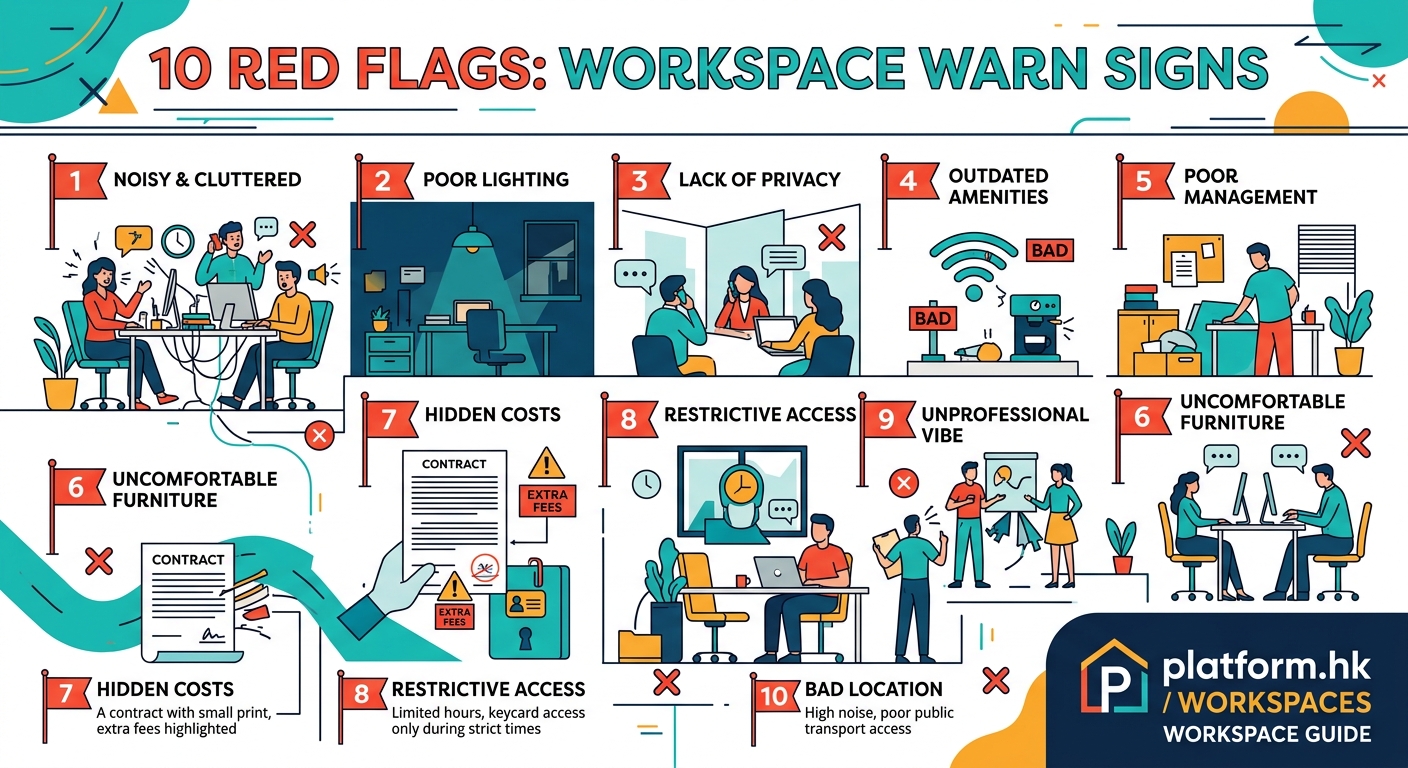
Compensation discussions expose a company’s values faster than any mission statement.
When an employer refuses to share a salary range upfront, they’re often planning to lowball you. Companies with fair pay structures have no reason to hide that information. The ones playing games with numbers are hoping you’ll name a figure lower than what they budgeted.
Phrases like “we offer competitive pay” without specifics mean nothing. Competitive compared to what? If they can’t back up that claim with actual numbers, they’re stalling because the compensation isn’t competitive at all.
Some organizations try to offset poor pay with vague promises about future raises or equity that might be worth something someday. These hypothetical rewards rarely materialize. You can’t pay rent with potential.
| Red Flag Statement | What It Actually Means | Better Alternative |
|---|---|---|
| “We’re like a family here” | Expect emotional manipulation and boundary violations | Clear policies about work hours and personal time |
| “Unlimited PTO” | No one actually takes vacation | Specific minimum vacation days guaranteed |
| “Wear many hats” | Do three jobs for one salary | Defined role with clear responsibilities |
| “Fast-paced environment” | Constant chaos and poor planning | Structured workflow with reasonable deadlines |
| “Self-starter needed” | You’ll receive zero training or support | Comprehensive onboarding and mentorship program |
Culture problems you can spot early
Toxic workplace culture doesn’t develop overnight, and signs appear quickly if you know what to watch for.
Listen to how leadership talks about employees. Do they refer to staff as “resources” or “headcount” rather than people? That language reveals how they view workers: as interchangeable parts rather than individuals with unique skills and needs.
Notice who gets credit for successes and who gets blamed for failures. In healthy organizations, teams celebrate wins together and treat setbacks as learning opportunities. In toxic ones, managers claim credit for good results while throwing employees under the bus when things go wrong.
The blame game creates an environment where people spend more energy covering their tracks than doing good work. Everyone becomes defensive, collaboration disappears, and innovation dies because no one wants to take risks.
“A workplace that values you will invest in your growth, respect your boundaries, and treat mistakes as part of learning. If you’re constantly walking on eggshells or second-guessing yourself, that’s not imposter syndrome. That’s a toxic environment telling you it doesn’t deserve your talent.”
Communication breakdowns that signal trouble
How information flows through an organization tells you whether leadership respects its employees.
When major decisions happen behind closed doors and get announced as done deals, you’re working somewhere that doesn’t value input from the people doing the actual work. This top-down approach treats employees like children who can’t handle adult conversations.
Information silos create unnecessary confusion and frustration. If different departments don’t communicate and you’re constantly the last to know about changes that affect your work, management has failed at basic coordination.
Poor communication also shows up in how feedback gets delivered. Constructive criticism helps people improve. But vague complaints without actionable guidance just make employees feel inadequate without giving them tools to do better.
Watch for these communication red flags:
- Important updates arrive through rumor mill instead of official channels
- Your manager goes days or weeks without responding to messages
- Meetings could have been emails, and emails should have been conversations
- Leadership shares inspirational quotes instead of addressing real concerns
- You learn about company changes from news articles before internal announcements
Boundary violations that drain your energy
Work-life balance isn’t a luxury. It’s a requirement for sustainable performance and mental health.
Companies that contact employees outside work hours without emergencies don’t respect personal time. If your phone buzzes with work messages at 9 PM on a Tuesday or during your weekend, leadership views your entire life as company property.
The expectation that you’ll be “always on” leads straight to burnout. Human beings need time to rest, spend with loved ones, and exist as people separate from their job titles. Organizations that don’t understand this basic truth will grind through employees until they break.
Guilt-tripping about time off is another major warning sign. Taking earned vacation shouldn’t require elaborate justification or result in passive-aggressive comments. If using your benefits makes you feel like you’re letting the team down, management has created a culture of martyrdom where suffering equals dedication.
Some workplaces expect free labor disguised as “passion for the mission.” They’ll ask you to attend after-hours events, answer emails during vacation, or take on extra projects without additional compensation because “we’re all committed to the vision.” That’s exploitation dressed up in inspirational language.
Growth opportunities that don’t exist
Stagnant careers happen when companies fail to invest in employee development.
If there’s no clear path for advancement and leadership can’t articulate how people move up, you’re looking at an organization where you’ll do the same job at the same level indefinitely. Some people want that stability, but if you’re ambitious, this environment will frustrate you.
Training budgets reveal priorities. Companies serious about employee growth allocate resources for conferences, courses, and skill development. Those that expect you to learn everything on your own time and your own dime are telling you that your professional development isn’t their concern.
Watch how promotions actually happen versus how leadership says they happen. If the same people get opportunities regardless of performance, or if advancement requires knowing the right people rather than doing excellent work, merit doesn’t matter in that culture.
Turnover that speaks volumes
High employee turnover is rarely about “bad fits” or “people who couldn’t handle the pace.” It’s usually about a workplace that treats people poorly.
When you notice the same positions getting posted repeatedly, or when colleagues mention that no one stays longer than a year, pay attention. People leave managers and cultures, not companies. Mass exodus means something fundamental is broken.
During interviews, ask how long team members have been with the organization. If everyone is new, either the company just went through massive growth or they can’t retain talent. Both scenarios create challenges, but the retention problem is the bigger red flag.
Exit interviews that get ignored are particularly telling. If leadership collects feedback from departing employees but never addresses the patterns people mention, they don’t actually care about fixing problems. They’re just going through motions to appear concerned.
Workload expectations that guarantee burnout
Sustainable productivity requires reasonable workloads and realistic deadlines.
Constant overtime isn’t a badge of honor. It’s a sign of poor planning, understaffing, or unrealistic expectations. If working 50 or 60 hours weekly is standard rather than occasional, management has normalized exploitation.
The “do more with less” mentality sounds efficient but usually means doing worse work while burning out faster. When companies eliminate positions without redistributing work or adjusting expectations, remaining employees suffer under impossible loads.
Pay attention to how people talk about their schedules. If everyone brags about working through lunch, skipping breaks, or answering emails at midnight, the culture rewards self-destruction. That’s not dedication. That’s dysfunction.
Deadlines that ignore reality create unnecessary stress. When leadership sets arbitrary dates without considering actual work involved or available resources, they’re setting teams up to fail. Then they’ll blame workers for not meeting impossible standards.
Trust your instincts about workplace red flags
Your gut feeling about a workplace usually proves accurate.
If something feels off during the interview process or your first weeks on the job, that discomfort is information. Don’t talk yourself out of legitimate concerns because you need the paycheck or worry you’re being too picky.
Professional dissatisfaction affects every area of life. The stress follows you home, impacts your relationships, and damages your physical and mental health. No job is worth sacrificing your wellbeing.
Sometimes you’ll miss red flags initially because you’re excited about a new opportunity or desperate to leave a current bad situation. That’s human. But once you recognize the warning signs, you owe it to yourself to take them seriously and make a plan.
Not every workplace will be perfect, and all jobs involve some frustration. But there’s a difference between normal challenges and systematic problems that signal a toxic environment. Learn to distinguish between the two so you can invest your energy where it will be valued and rewarded.