What Happens to Your Career Growth When You Go Fully Remote?

You’ve landed the remote job. No commute, flexible hours, maybe even working from a beach in Bali for a month. But six months in, you notice something. Your manager hasn’t checked in lately. That promotion you were eyeing went to someone in the office. And you’re starting to wonder if being out of sight means being out of mind.
Remote work can absolutely affect career growth, but the impact depends on how you manage visibility, relationships, and skill development. Studies show remote workers face a promotion penalty of 10 to 15 percent compared to office peers, but proactive strategies around communication, networking, and demonstrating value can close or even reverse that gap entirely.
The visibility problem is real
Let’s start with the uncomfortable truth. Research from Stanford and other institutions shows that remote workers get promoted less often than their office counterparts. The numbers vary by industry, but the pattern holds. People who work from home face what researchers call a “proximity bias.”
Your manager doesn’t see you arrive early or stay late. They don’t bump into you at lunch. They miss the small moments where you solve problems or help a colleague. All those micro interactions that build your reputation? They vanish when you’re remote.
This doesn’t mean remote work kills your career. It means you need a different playbook.
The good news? Once you understand the mechanics, you can work around them. Some remote workers actually advance faster because they’re more intentional about their growth strategy.
How remote work changes the promotion game
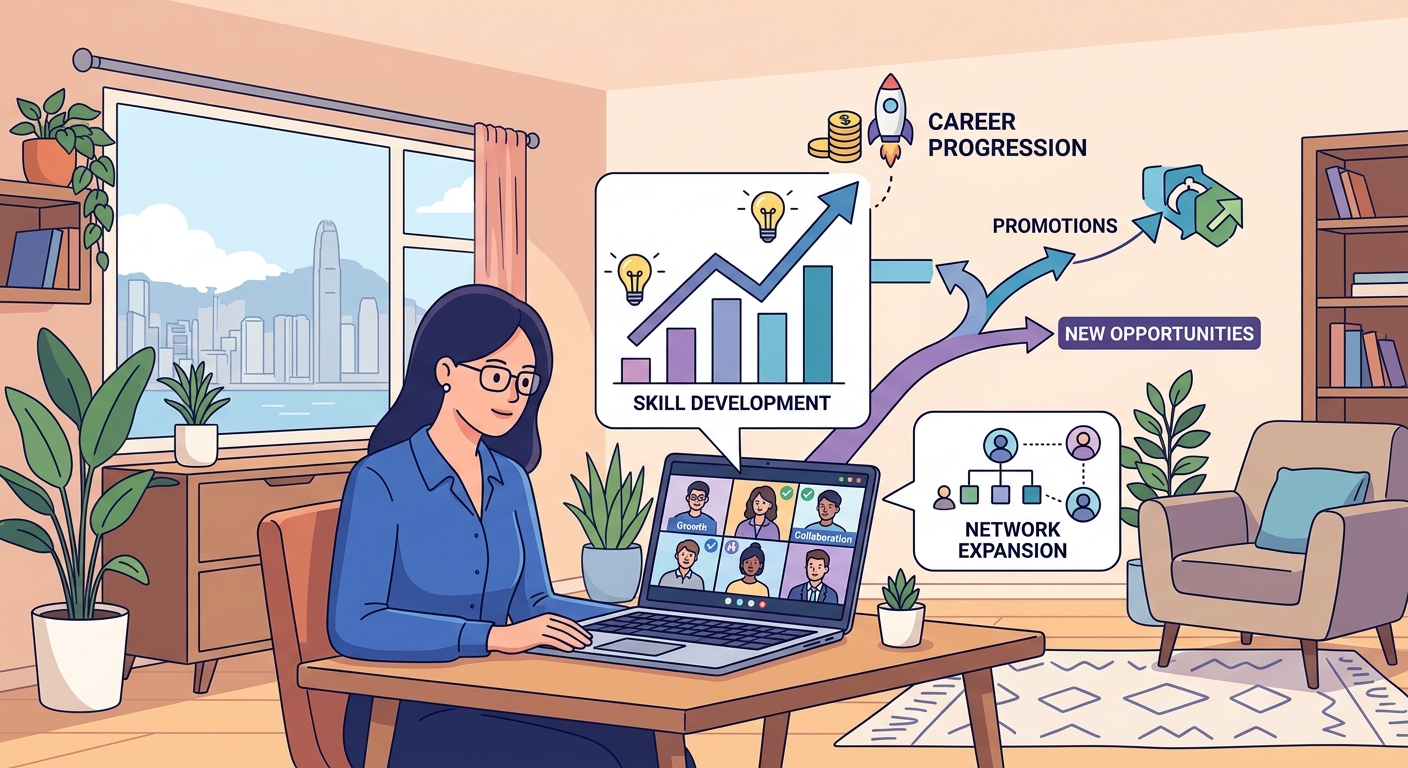
Career advancement has always relied on three pillars: performance, visibility, and relationships. Remote work doesn’t eliminate these. It just shifts how you build them.
Performance becomes more measurable
When you’re remote, your work needs to speak louder. Managers can’t see you working, so they focus on outputs. This actually benefits people who produce clear, measurable results.
Document everything. Keep a running list of wins. Track metrics that matter to your organization. If you closed five deals, shipped three features, or reduced costs by 12 percent, make sure people know.
Visibility requires active effort
In an office, visibility happens passively. Remote workers need to manufacture it. That means speaking up in meetings, sharing updates proactively, and making your contributions known.
This feels awkward at first. You might worry about seeming pushy. But there’s a difference between bragging and informing. Frame your updates as helpful information: “I finished the client report and found some interesting trends we should discuss.”
Relationships need intentional building
Office friendships form naturally over coffee and hallway chats. Remote relationships require scheduling. You need to create the informal moments that would happen organically in person.
Set up virtual coffee chats. Join optional meetings. Participate in Slack channels beyond your immediate team. The goal is to be a person, not just a name on Zoom.
Three strategies that actually work
Here’s what successful remote professionals do differently:
-
Schedule regular check-ins with your manager. Don’t wait for them to reach out. Set up weekly or biweekly one-on-ones. Use this time to discuss not just tasks, but career goals and development opportunities. Ask directly: “What would make me ready for the next level?”
-
Create a visibility system. Send a brief weekly update to your manager and key stakeholders. Keep it to five bullet points: what you accomplished, what you’re working on, where you need support. This keeps you top of mind without being annoying.
-
Build cross-functional relationships. Join projects outside your core team. Volunteer for company initiatives. The more people who know your work, the more advocates you have when promotion discussions happen.
The skill development trap

Remote work can isolate you from learning opportunities. In an office, you overhear conversations, sit in on meetings, and pick up skills by osmosis. Remote workers miss this ambient learning.
You need to be more deliberate about skill building:
- Ask to shadow senior colleagues on calls
- Request access to meetings one level above your role
- Set up informational interviews with people in roles you want
- Invest in courses and certifications that fill gaps
The professionals who thrive remotely treat skill development like a project. They set quarterly learning goals and track progress.
What the data actually shows
Let’s look at what research tells us about remote work and career growth:
| Factor | Office Workers | Remote Workers | Hybrid Workers |
|---|---|---|---|
| Promotion rate | Baseline | 10-15% lower | 5-8% lower |
| Salary growth | Baseline | Similar when adjusted | Slightly higher |
| Job satisfaction | Lower | Higher | Highest |
| Skill development | Passive | Requires effort | Balanced |
The table reveals something interesting. While remote workers get promoted less often, their salary growth stays competitive. This suggests the issue isn’t performance, it’s perception.
Hybrid workers often get the best of both worlds. They maintain visibility while enjoying flexibility. If your company offers hybrid options, that might be your sweet spot.
The industries where remote work helps
Not all fields treat remote work equally. Some industries have embraced it so fully that being remote carries no penalty.
Tech and software development
Many tech companies went remote-first years before the pandemic. In these organizations, remote work is the norm. Career ladders are built around it. Senior engineers and executives work remotely without stigma.
Creative and content roles
Writers, designers, and marketers often advance just as fast remotely. These roles produce tangible outputs that speak for themselves. A great campaign or design portfolio matters more than face time.
Sales and business development
Top performers in sales have always worked flexibly. If you hit your numbers, location rarely matters. Some of the highest-earning salespeople work entirely remotely.
Where remote still struggles
Traditional corporate environments, finance, and roles requiring physical presence still favor office workers. If you’re in one of these fields, hybrid might be your best bet.
Common mistakes that stall remote careers
Even motivated remote workers make preventable errors:
- Going silent between deliverables. Your manager shouldn’t wonder what you’re doing. Communicate progress, not just completion.
- Skipping optional meetings. These feel like time wasters, but they’re relationship builders. Attend at least some.
- Avoiding video. Keeping your camera off makes you forgettable. People connect with faces, not profile pictures.
- Waiting to be invited. Don’t expect opportunities to find you. Ask for stretch assignments and new responsibilities.
- Neglecting your network. Your current job won’t be your last. Keep building relationships across your industry.
“The remote workers who advance fastest are the ones who act like they’re running their own career development program. They don’t wait for their company to invest in them. They invest in themselves and make sure their company sees the return.” — Sarah Chen, VP of Engineering at a remote-first startup
Building a remote-friendly career plan
Your career plan needs to account for remote work realities. Here’s a framework:
Set clear advancement goals
Define what the next level looks like. What skills does it require? What projects would demonstrate readiness? Get specific. “I want to be promoted” is too vague. “I want to lead a team of three and own our Q3 product launch” gives you something to work toward.
Create forcing functions for visibility
Don’t rely on motivation. Build systems. Set a recurring calendar reminder to send your weekly update. Schedule monthly coffee chats with colleagues. Join one new project per quarter.
Track your progress
Keep a document of accomplishments, skills learned, and positive feedback. Update it weekly. When promotion time comes, you’ll have a ready-made case for advancement.
Seek feedback actively
Ask your manager quarterly: “What’s one thing I could do to be more effective?” The answers guide your development and show you’re serious about growth.
Consider strategic office visits
If you’re hybrid or can travel occasionally, use office time strategically. Schedule important meetings, presentations, and relationship-building during in-person days. Make those visits count.
The questions to ask before going remote
If you’re considering a remote role, ask these questions during the interview process:
- What percentage of senior leadership works remotely?
- How do you evaluate and promote remote employees?
- What career development resources do you offer remote workers?
- Can you share examples of people who were promoted while working remotely?
The answers tell you if the company truly supports remote career growth or just tolerates it.
Making remote work work for your career
Does remote work affect career growth? Yes. But “affect” doesn’t mean “destroy.” Remote work changes the rules, not the game.
The professionals who succeed remotely are intentional. They communicate proactively. They build visibility systems. They invest in relationships and skills. They don’t wait for their careers to happen to them.
If you’re willing to be strategic, remote work can actually accelerate your growth. You’ll develop self-direction, communication skills, and the ability to demonstrate value clearly. These are exactly the skills that matter at senior levels.
The key is treating your career like a product you’re building. Remote work gives you flexibility and autonomy. Use those advantages to create the career you actually want, not just the one that happens by default.
Start with one change this week. Send that update email. Schedule that coffee chat. Ask for that stretch project. Your future self will thank you.